From Recycling A380s to Bio-Based Carbon Fiber: The Sustainability Revolution at JEC 2026
A comprehensive mapping of the composites industry's circular economy transformation — from Innovation Award winners to dedicated sustainability villages — and how automated manufacturing is the hidden enabler.
The Sustainability Imperative
Composites have always carried an uncomfortable paradox. The same properties that make carbon fiber reinforced polymers the material of choice for lightweighting — and thus for reducing the operational emissions of aircraft, vehicles, and wind turbines — also make them extraordinarily difficult to recycle. A thermoset carbon fiber laminate, once cured, cannot be melted and reformed. It cannot be meaningfully sorted into feedstock streams by existing municipal recycling infrastructure. And when an aircraft is decommissioned, its composite structures have historically ended up in landfill or at best shredded into low-value filler material.
The aviation industry alone faces a mounting challenge: over the next two decades, several hundred wide-body aircraft containing thousands of tonnes of composite material will reach end-of-life. The A380 — the largest commercial airliner ever built — is already entering that phase, with Airbus having formally ended production in 2021. Each A380 contains approximately 22% composite material by weight, representing a significant inventory of high-value carbon fiber locked in structures that, until recently, had no viable recovery pathway [1].
Simultaneously, the regulatory environment is shifting with unusual speed. The EU's Ecodesign for Sustainable Products Regulation (ESPR), which entered force in 2024, mandates Digital Product Passports (DPPs) across an expanding range of product categories, with phased enforcement beginning in 2026. A central EU digital registry for DPP data goes live by July 2026 [2]. Separately, customer sustainability requirements — particularly from Tier 1 automotive OEMs operating under Science Based Targets — are cascading down supply chains with real commercial teeth. A composite supplier without a credible circularity story faces growing procurement risk.
JEC World 2026 — taking place March 10–12 at Paris-Nord Villepinte — is the first major composites trade event of the post-ESPR era, and the industry's response is striking.
Sustainability is no longer confined to a single presentation track or a niche corner of the exhibition hall. It runs through everything: two of the eleven Innovation Award categories have circularity or bio-materials as their primary criterion; a newly launched Circularity Village occupies a dedicated footprint on the show floor; the Bio-Materials Village has grown by more than 30% year-on-year in collaboration with the Alliance for European Flax-Linen & Hemp; and three of the twenty JEC Startup Booster finalists are directly targeting circular economy challenges. This article maps that entire landscape — and argues that automated manufacturing is the thread connecting nearly every breakthrough on display.
Innovation #1: Recycling A380s Into A320neo Parts
The Project
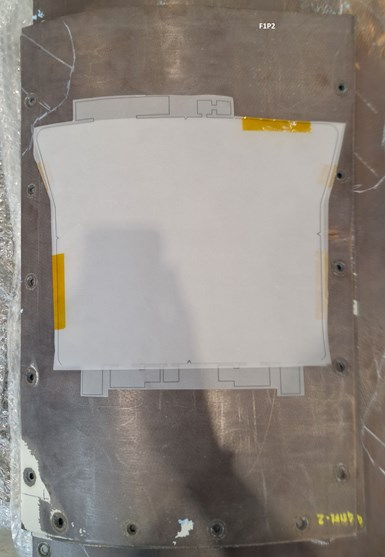
The most symbolically powerful sustainability story at JEC 2026 comes from a four-company consortium: Toray Advanced Composites, Airbus, Daher, and Tarmac Aerosave. Their submission to the Circularity & Recycling innovation category did something the composites industry has talked about for years but rarely demonstrated at industrial scale: they took a structural composite component from a decommissioned aircraft and manufactured a new, airworthiness-grade component for a different aircraft from it [3].
Source | Toray Advanced Composites
The source material was an A380 engine pylon fairing cover — a non-structural but airworthiness-relevant panel made from Toray Cetex® TC1100, a carbon fiber-reinforced polyphenylene sulfide (CF/PPS) thermoplastic composite. The target was an equivalent pylon cowl panel for the A320neo, which is a smaller aircraft but uses dimensionally compatible structural concepts.
Thermoplastic Composite Remanufacturing Process Chain
Process Chain
Recycling Airbus A380 carbon fiber reinforced thermoplastic composite secondary structure for A320
Video: Watch the A380-to-A320neo thermoplastic composite remanufacturing process in action. Credit: Toray Advanced Composites
Why This Works — and Why It Matters
The key to this recycling pathway is the thermoplastic matrix. Unlike thermoset epoxy or BMI composites — which cross-link irreversibly during cure — PPS remains thermoplastic throughout its service life. Above its glass transition temperature (approximately 90°C) and below its melting point (approximately 280°C), it can be softened, reshaped, and re-consolidated without chemical degradation, provided the fiber architecture is compatible with the new geometry [5].
Cetex TC1100 uses a woven fabric architecture rather than unidirectional prepreg, which gives it particular flexibility for reforming operations. The consortium developed advanced remanufacturing processes that allowed the material to be assessed, trimmed to the new geometry, and thermoplastically reformed under controlled heat and pressure. Quality and mechanical properties of the resulting A320neo panels were described as "indistinguishable from a brand-new panel" [4].
The commercial implications extend far beyond these two aircraft types. The A380 fleet alone, combined with aging 787 and A350 aircraft (both containing significant thermoplastic composite content), represents what industry observers have begun calling a "composite material bank" — a future resource stream of high-quality carbon fiber in thermoplastic matrices that could, with the right processes, re-enter production use rather than landfill. The Toray consortium has effectively written the first chapter of that playbook.
Tarmac Aerosave — one of Europe's leading aircraft dismantling and recycling companies — is a crucial partner precisely because this workflow requires aerospace-certified chain-of-custody documentation. The provenance of the source material, the inspection records, the processing parameters, and the final qualification data must all be traceable. That traceability infrastructure, combined with the EU's forthcoming Digital Product Passport requirements, points toward a future where composite components carry embedded lifecycle data enabling exactly this kind of closed-loop reuse.
Innovation #2: BMW M's Flax-Fiber Production Car
From Motorsport to Showroom
The second major sustainability innovation award winner comes from a very different direction: BMW Group M GmbH, working with Swiss natural fiber specialist Bcomp, SGL Technologies, Cobra Advanced Composites (Thailand), and PPG Wörwag Coatings [6].
Their winning project brings series-production flax-based natural fiber composite exterior and interior parts to BMW M production vehicles. This is not a concept car demonstration or a low-volume motorsport application. The partners have developed a material system and manufacturing process validated for the volumes, surface quality, and durability requirements of BMW M's production program.
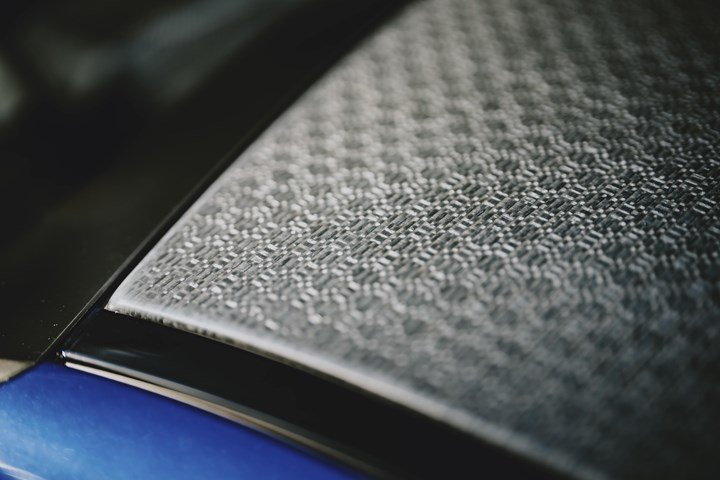
Bcomp ampliTex + powerRibs Natural Fiber System
Schematic of Bcomp's dual-material system: ampliTex flax fiber fabric (woven, semi-structural) combined with powerRibs bio-based reinforcement ribs inspired by leaf venation. Shows how powerRibs create a 3D stiffening structure that enables reduction in primary material use while maintaining mechanical performance.
Source | BMW Group
BMW M Natural Fibre Composite System
vs. CFRP
Interior Panels
The Technical Achievement
Bcomp's material platform consists of two complementary technologies:
ampliTex
A high-performance flax fiber fabric that provides the primary structural reinforcement. Flax fibers have a specific stiffness (E/ρ) comparable to glass fiber and a significantly lower density, making them attractive for semi-structural applications where carbon fiber's performance premium is not required.
powerRibs
A bio-based ribbed reinforcement structure inspired by the venation patterns of leaves. Rather than adding material uniformly, powerRibs create a three-dimensional stiffening network on one face of the panel, enabling a reduction in the amount of primary facing material while maintaining or improving stiffness. The ribs can cut plastic use in interior panels by up to 70% compared to conventional designs [7].
The specific achievement recognized by the JEC award is overcoming a historical barrier to natural fiber composites in automotive exteriors: moisture sensitivity. Flax fibers absorb moisture, which traditionally caused dimensional instability and surface quality degradation in painted exterior panels — a Class A surface requirement is non-negotiable for automotive production. The consortium developed a new resin and prepreg formulation that provides a moisture barrier at the fiber-matrix interface while maintaining the environmental profile of the natural fiber system.
For BMW M's production vehicles, the roof panel is a key application. Replacing a carbon fiber composite roof with the Bcomp natural fiber system delivers approximately 40% reduction in CO2e during production, with additional end-of-life advantages since the bio-based material can be composted or chemically recycled more readily than CFRP [6]. BMW M Motorsport had pioneered the technology in Formula E (2019) and the M4 GT4 race car, providing the durability and performance data to support the production vehicle business case.
The Startup Sustainability Cohort
Three of JEC 2026's twenty Startup Booster finalists are tackling the most difficult sustainability challenges in composites from very different angles:
CGreen: Replacing Fossil PAN with Cellulose
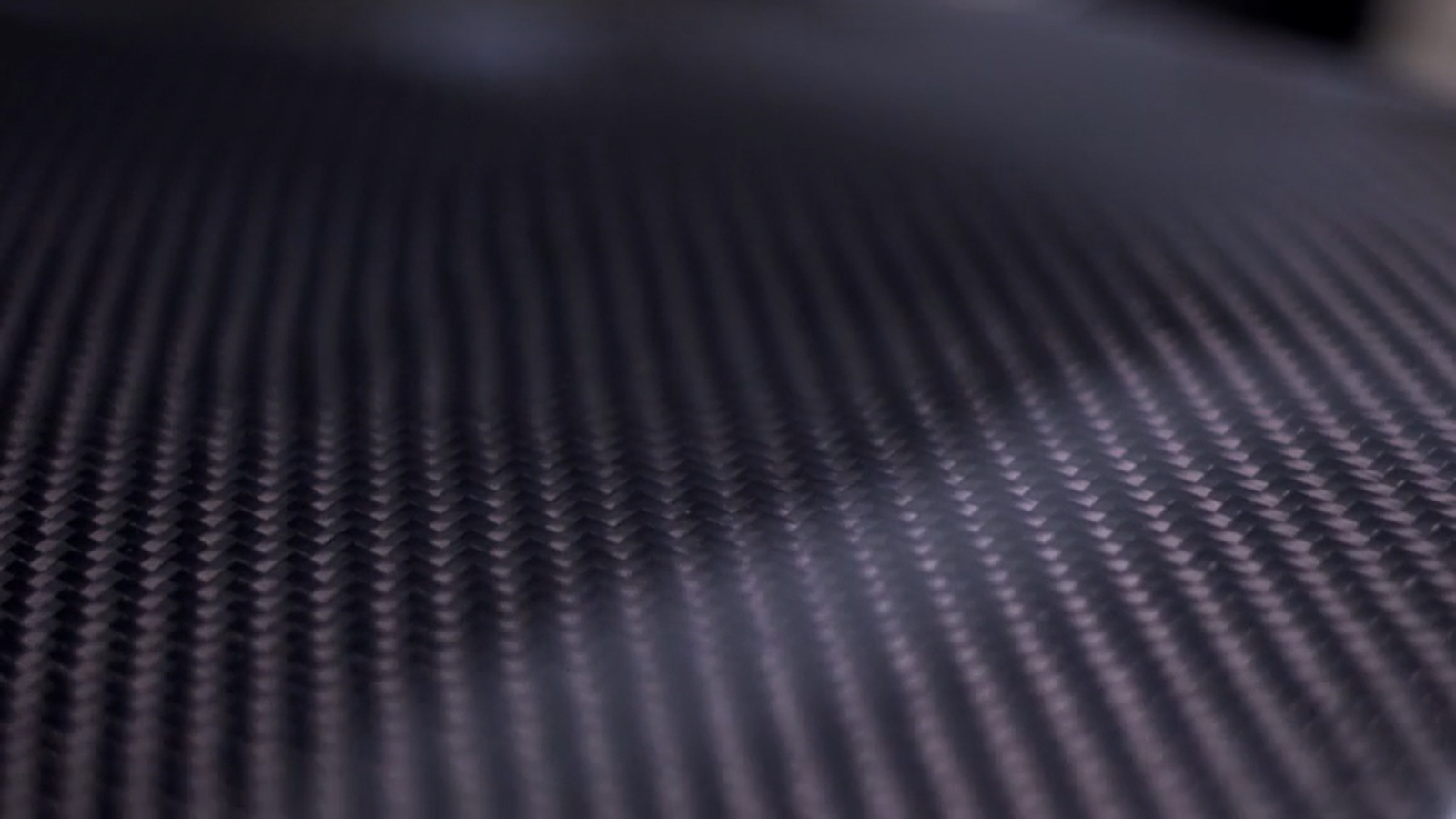
CGreen was founded in February 2025 by Céline Couquet Largeau and Gaëlle Guyader, emerging from a decade of research and development at French academic institutions [8]. Their technology replaces polyacrylonitrile (PAN) — the petroleum-derived precursor used in more than 90% of commercial carbon fiber production — with cellulose derived from recycled paper and cardboard (PCR) or recycled cotton.
Source: CGREEN
The environmental case for this substitution is compelling: virgin carbon fiber production generates approximately 24–29 kg CO2 equivalent per kilogram of fiber, with the energy-intensive carbonization step (heating to 1000–3000°C) accounting for a major fraction. CGreen claims their cellulose-based process reduces this footprint by a factor of three while maintaining mechanical properties equivalent to standard-grade PAN-based carbon fiber [9].
The process advantages go beyond the carbon footprint. Cellulose's molecular base structure is provided by nature, eliminating the complex synthesis chain required for PAN. Processing involves fewer toxic byproducts — the toxic HCN and nitrogen oxides generated during PAN carbonization are significant industrial hazards. CGreen designed a pilot facility at ICAM (the Catholic Institute of Arts and Crafts) with initial results expected in 2027.
At JEC 2026, CGreen represents the upstream end of the composites sustainability challenge: what happens to the industry's carbon footprint if the fiber itself has a radically lower embodied energy?
Carbon Footprint by Fiber Type (kg CO₂eq/kg)
Plastalyst: Low-Temperature Thermoset Recycling
Plastalyst attacks the hardest end of the recycling problem: thermoset composites. While thermoplastic composites offer inherent recyclability by remelting, the crosslinked polymer networks in epoxy, vinyl ester, and phenolic composites cannot be conventionally melted and reformed [12].
Current thermoset recycling options — mechanical grinding (which destroys fiber integrity), pyrolysis (energy-intensive, yields variable fiber quality), and solvolysis (chemical process, typically requires high temperature and pressure) — all involve significant energy input or chemical use. Plastalyst claims to decompose only the polymer matrix at low temperatures and pressures, recovering the fiber in a condition suitable for re-use. The company has completed pilots with more than 35 companies across the composites supply chain [12].
At the JEC Startup Booster pitch sessions (Agora Stage, Hall 6, March 10), Plastalyst is competing for the Sustainability Winner category — a designation that acknowledges the particular importance of end-of-life solutions in the composites sector's credibility challenge.
P2M / GENE.SYS: Digital DNA for Composite Products
P2M with their GENE.SYS platform addresses a structural information problem: composite components, once manufactured and deployed, typically exist without any machine-readable record of their exact composition, processing history, or in-service condition. This makes end-of-life decisions — repair? reuse? recycle? discard? — dependent on paper records, tribal knowledge, and expensive manual inspection [13].
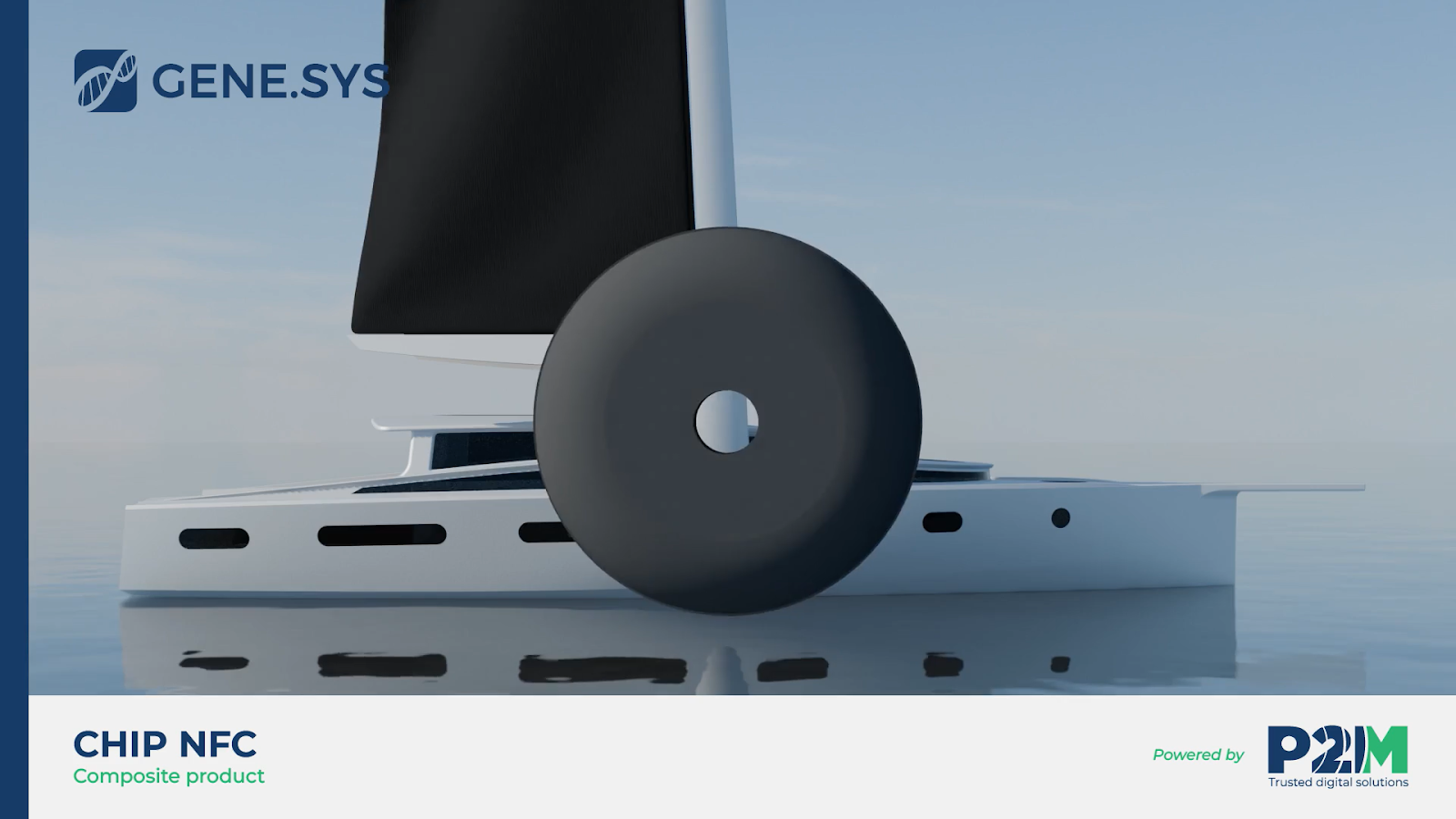
GENE.SYS embeds a chip directly into the composite part during manufacturing, creating what P2M describes as the "digital DNA" of the product. This chip stores provenance data (material lot numbers, layup parameters, cure cycle records), in-service data (maintenance events, inspection results), and end-of-life routing information. The architecture is explicitly designed to comply with the EU's Digital Product Passport requirements, which mandate that products carry a machine-readable identifier linked to a data record covering all lifecycle stages [2].
Source: P2M
The practical implication for composites circularity is significant: a GENE.SYS-enabled component arriving at a dismantler like Tarmac Aerosave would arrive with a complete, authenticated material history — enabling exactly the kind of confidence-building that the Toray A380 recycling project required. As the EU DPP framework expands to cover construction materials and likely advanced structural composites in future years, the infrastructure demonstrated by GENE.SYS will transition from competitive differentiator to regulatory compliance requirement.
The Villages of Circularity
Circularity Village

For the first time in JEC World's history, a dedicated Circularity Village occupies a distinct zone on the exhibition floor. The village focuses on what the organizers describe as the four Rs: recycling, repairing, repurposing, and reusing composite parts. The scope is broad — startups, SMEs, and established firms working on composites end-of-life are co-located to create a critical mass of solutions that buyers can compare [14].
This co-location strategy is deliberate. One of the persistent barriers to composites recycling adoption is fragmentation: recycling technologies exist in isolation, unconnected to the material flows of aerospace dismantlers, wind farm operators, or automotive recyclers. The Circularity Village creates a concentrated marketplace where supply (recycling technology providers) and demand (end-of-life material owners) can find each other.
Bio-Materials Village
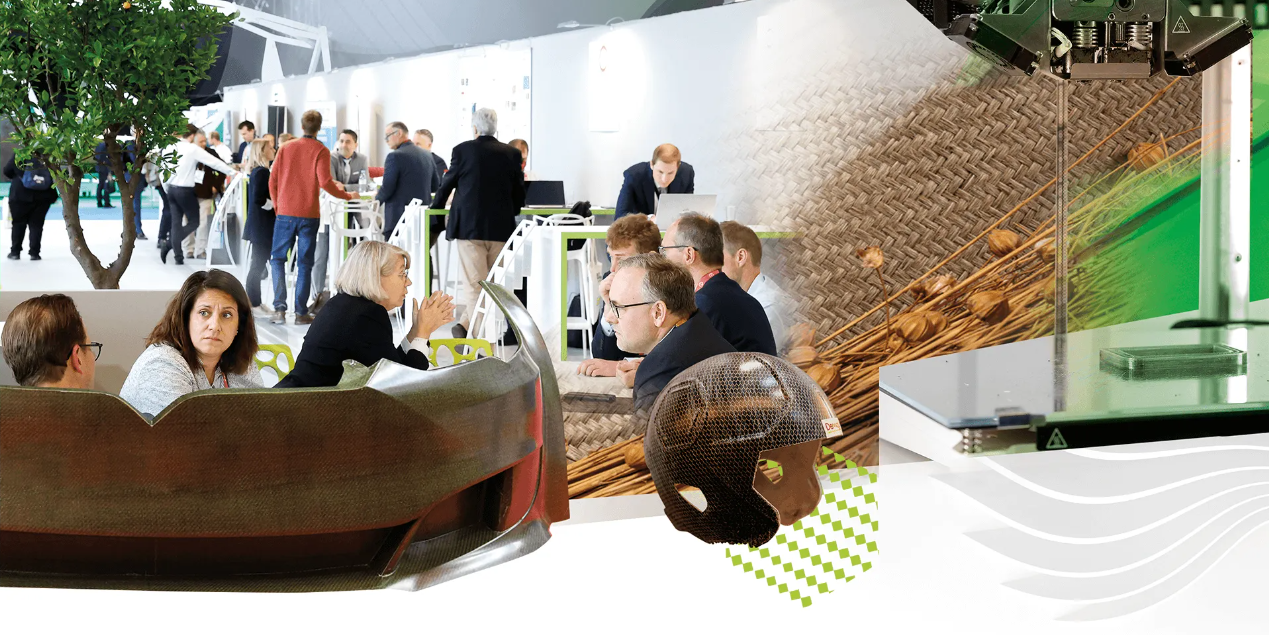
The Bio-Materials Village — expanded from the former Natural Fibers Village for 2026 — is organized in partnership with the Alliance for European Flax-Linen & Hemp, the industry body representing the supply chain for Europe's strategically important natural fiber sector [15]. The village has grown by more than 30% year-on-year, expanding to 333 square metres and featuring 14 Alliance members and partners representing the complete value chain: fiber cultivation, retting and processing, semi-finished materials manufacturing, bio-based resin systems, and industrial applications.
Source: JEC
New participants in 2026 include:
Norafin
Advanced technical nonwovens from flax and hemp fibers for composite applications
Biofibix
Next-generation bio-based composite solutions (JEC Startup Booster finalist)
GreenPoxy by Sicomin
Bio-based epoxy resin systems specifically formulated for natural fiber composites
The significance of the Alliance partnership extends beyond floor logistics. It signals a strategic alignment between the composites industry and the European natural fiber agricultural sector — a value chain that is heavily concentrated in northern France, Belgium, and the Netherlands, and that has been seeking higher-value applications to compensate for structural pressures in the traditional textile market. Composites represent both a premium application for European flax and hemp, and a supply of natural fiber that is domestically produced rather than imported, reducing both cost volatility and transportation emissions.
Vitrimer Composites: The Bridge Technology
One of the most technically nuanced sustainability themes at JEC 2026 is the emergence of vitrimer composites — materials that occupy a middle ground between conventional thermosets and thermoplastics.
Vitrimers are covalent adaptable networks. Unlike conventional thermosets (which form permanent, irreversible covalent crosslinks during cure) and unlike thermoplastics (which are held together by reversible physical interactions), vitrimers contain dynamic covalent bonds that can exchange under controlled conditions — typically elevated temperature. This means that above a characteristic topology freezing temperature (Tv), a vitrimer behaves like a viscous liquid that can flow and be reshaped; below Tv, it behaves like a conventional crosslinked thermoset [16].
Polymer Matrix Comparison
The bio-based vitrimer work presented at JEC 2026 is particularly compelling because it uses vanillin — a commodity chemical derived from lignin, the woody biomass byproduct of paper and cellulose processing — as the dynamic hardener. Vanillin-based epoxy vitrimers have demonstrated high glass transition temperatures (Tg ~100°C), fast bond relaxation at processing temperatures, and the ability to be chemically recycled through selective bond cleavage in mild acidic conditions that recover intact fiber reinforcement [17].
The practical sustainability implications are significant: a vanillin-based vitrimer carbon fiber composite could be:
Reshaped
After initial manufacture to correct dimensional deviations
Repaired
By local heating and pressing at damage sites without adhesive patches
Recycled
At end-of-life via mild chemical treatment that recovers both fiber and monomer
This represents a step change from conventional thermoset CFRP, which can do none of these things economically. The JEC 2026 conference session on vitrimers by Recast, combined with related sessions in the Composites Exchange program, positions this technology as a credible near-term option for aerospace and automotive applications where thermoset performance is required but recyclability is now a hard constraint.
Research published in 2025 demonstrated vanillin-vitrimer flax fiber composite specimens (VER1-1-FFRC and VER1-2-FFRC formulations) with mechanical properties suitable for structural automotive interior applications, combining the recyclability of the vitrimer matrix with the sustainable sourcing of flax fiber [18]. This bio-bio combination — bio-based matrix with bio-based fiber — represents the most complete sustainability profile of any structural composite yet demonstrated.
Carbon Footprint in Perspective
To contextualize the sustainability claims across JEC 2026's innovations, it is worth establishing a common carbon currency:
Table 1: Carbon Footprint Comparison of Fiber Types
| Fiber Type | Production CO2eq (kg/kg) | Notes | Source |
|---|---|---|---|
| Virgin carbon fiber (PAN-based) | 24–29 | Varies by energy source | [9] |
| Recycled CF (pyrolysis) | 1.5–4.7 | System boundary dependent | [10] |
| Recycled CF (solvolysis) | 1.9–2.5 | Higher quality recovery | [10] |
| Bio-based CF (cellulose, target) | ~8–10 | CGreen projected, not validated | [8] |
| E-glass fiber | 1.3–2.0 | Conventional manufacturing | [11] |
| Flax fiber | 0.5–2.0 | Agricultural and retting variability | [11] |
| Hemp fiber | 0.4–1.8 | Agricultural and retting variability | [11] |
Note: Negative lifecycle emissions are achievable for recycled CF when energy recovery and avoided primary production credits are applied under system expansion methodology.
Table 2: Sustainability Innovations at JEC 2026 — Comprehensive Mapping
| Innovation | Category | Stage | Sustainability Claim | Key Partners |
|---|---|---|---|---|
| A380→A320neo CF/PPS recycling | Innovation Award Winner | Industrial demo | Closed-loop thermoplastic aerospace recycling | Toray TAC, Airbus, Daher, Tarmac Aerosave |
| BMW M Natural Fiber Composites | Innovation Award Winner | Series production | 40% CO2e reduction vs CFRP roof | BMW M, Bcomp, SGL, Cobra, PPG Wörwag |
| Fenix Repairable Road Bike | Innovation Award Winner | Product launch | Induction-welded TP CFRP + Ti, fully repairable | Alformet, herone, hyJOIN |
| EV Battery Housing (TP GFRP) | Innovation Award Winner | Production-ready | 25% lower lifecycle emissions vs Al die-cast | TU Chemnitz, Mahle, 5 partners |
| CGreen Bio-based CF | Startup Booster Finalist | Pilot line 2026 | 3× CO2 reduction vs PAN-based CF | ICAM, Dassault Systèmes Lab |
| Plastalyst | Startup Booster Finalist | 35+ pilots complete | Low-temp thermoset recycling, matrix removal | — |
| P2M / GENE.SYS | Startup Booster Finalist | Product stage | Digital Product Passport, lifecycle tracking | — |
| Bio-Materials Village | Exhibition Village | Ongoing | 14 Alliance members, full NFC value chain | Alliance Flax-Linen & Hemp |
| Circularity Village | Exhibition Village | New 2026 | Recycling, repair, reuse, repurpose cluster | Multiple exhibitors |
| Vitrimer composites session | Conference | Research | Reshapable/repairable thermoset-like composites | Recast, academic partners |
The Automated Manufacturing Advantage
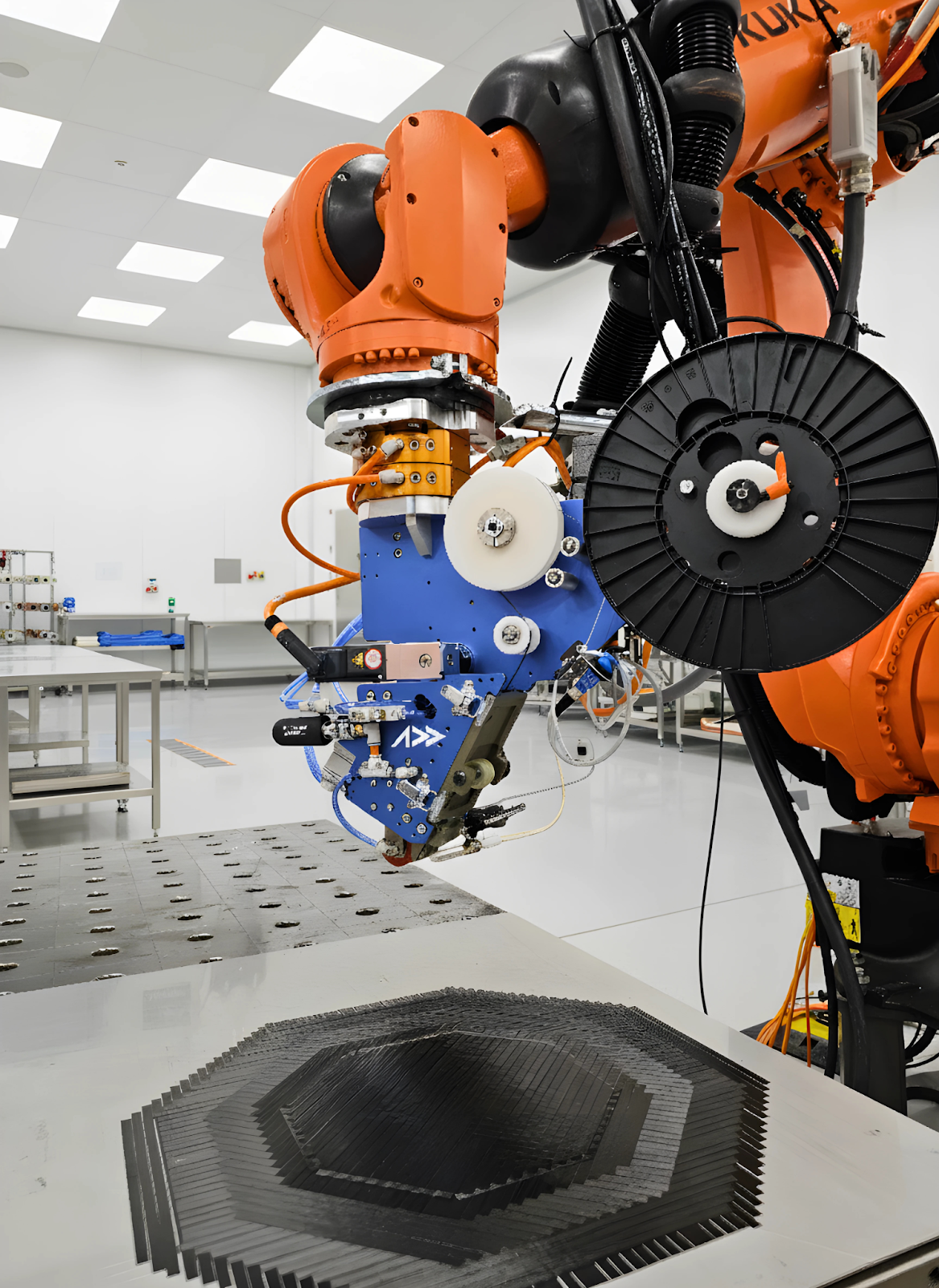
Addcomposites' AFP-XS system mounted on a KUKA robot arm performing automated fiber placement — the technology behind the sustainability gains discussed at JEC 2026
The framing of sustainability in composites manufacturing often focuses on materials — what the fiber is made of, whether the resin can be recycled, how the end-of-life value is recovered. Less commonly discussed is the sustainability contribution of the manufacturing process itself.
Automated Fiber Placement (AFP) and related automated layup technologies offer three distinct sustainability advantages over manual layup:
1. Near-Net-Shape Waste Reduction
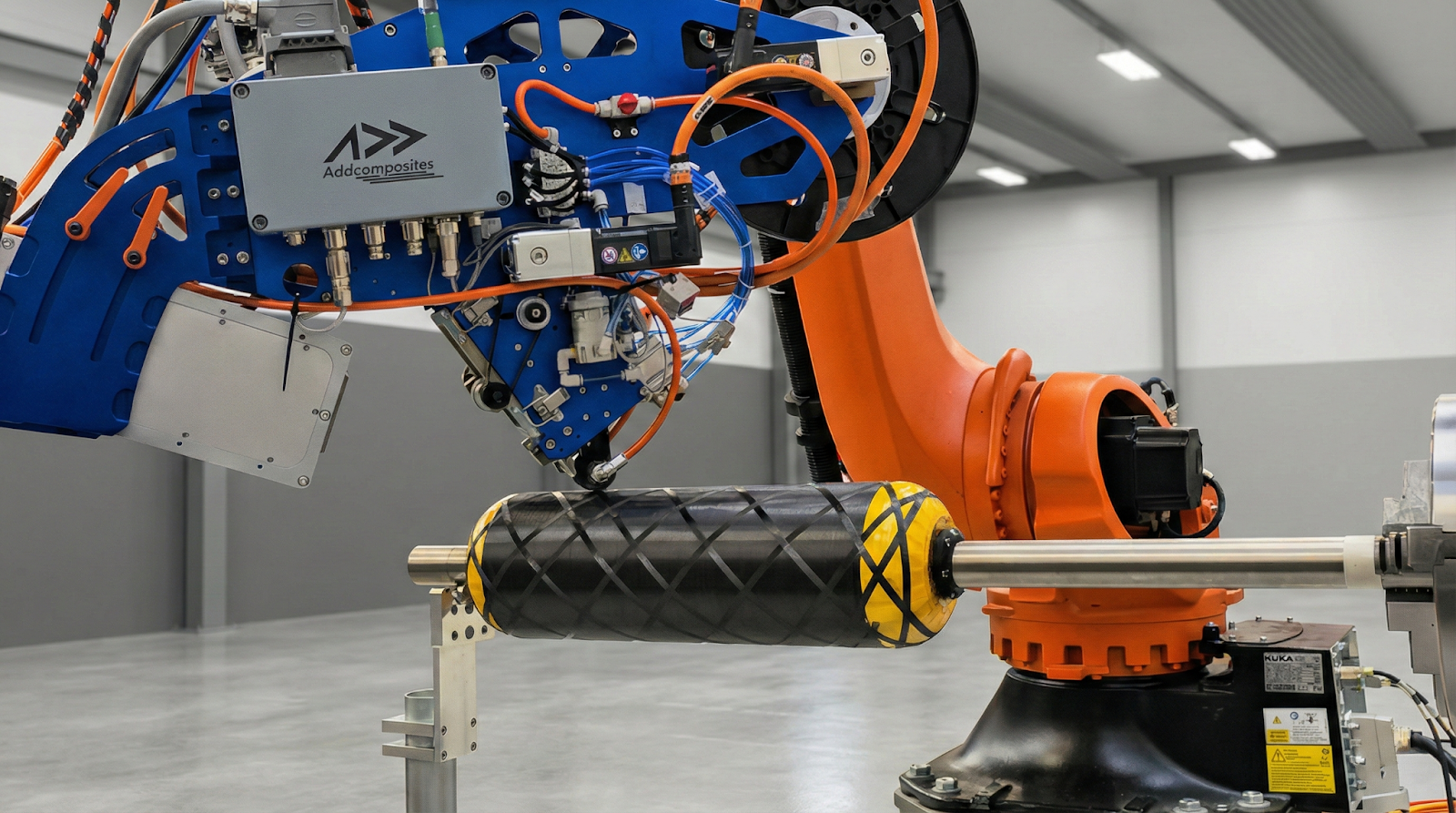
In conventional manual composite manufacturing, prepreg material is cut from rolls, and the offcuts become waste. For complex contoured parts, cut waste from manual layup can reach 30–60% of purchased material. AFP places fiber tows precisely along programmed paths, cutting only at course boundaries, with material utilization often exceeding 95% [19]. One documented case study showed material wastage reduction from 62% to 6% when switching from a combination of filament winding and hand layup to AFP — a tenfold improvement [19].
Precise tow placement with AFP-XS: automated fiber placement dramatically reduces material waste compared to conventional manual layup. Credit: Addcomposites
Given that virgin carbon fiber costs approximately €25–60/kg and carries a carbon footprint of 24–29 kg CO2eq/kg, a 56-percentage-point reduction in waste represents both significant cost savings and a proportional reduction in the embodied carbon of the finished component.
2. Thermoplastic Processing Enablement
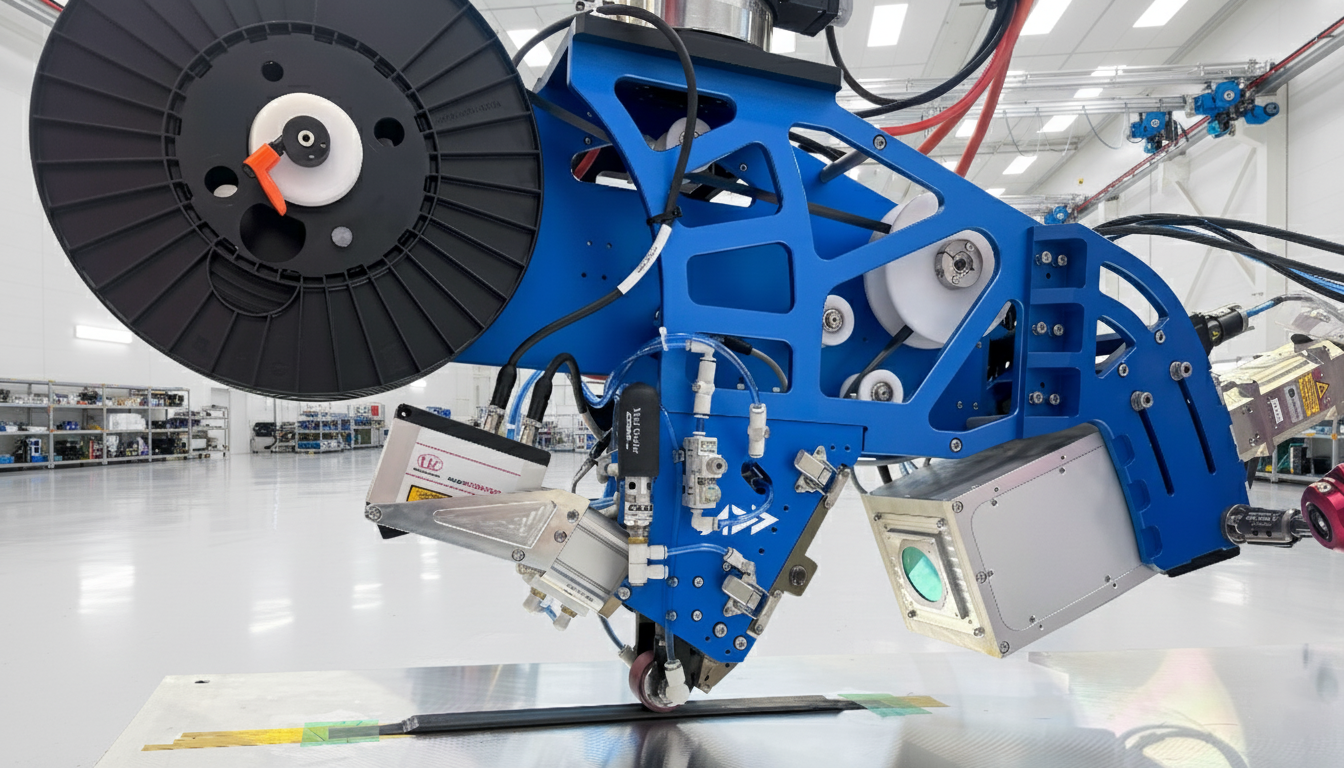
All of the thermoplastic composite innovations highlighted at JEC 2026 — the Daher wing rib (CF/LMPAEK), the Toray recycled panels (CF/PPS), the Fenix bike (CF thermoplastic) — are inherently dependent on precise, controlled heat application that AFP provides. In-situ consolidation AFP uses a focused heat source (laser, hot gas, or infrared) to heat the thermoplastic tape just before the nip point, achieving fiber placement and matrix consolidation in a single pass without an autoclave step [20].
In-situ thermoplastic consolidation using Addcomposites' AFP system with laser-assisted heating — enabling out-of-autoclave processing for the same materials driving JEC 2026's circularity innovations. Credit: Addcomposites
This out-of-autoclave processing is itself a sustainability advantage: autoclave cure typically consumes 5–30 kWh/kg of composite part, depending on cure cycle and loading factor. For a large aerospace component, eliminating the autoclave step saves both energy and the embedded carbon of heating and pressurizing thousands of liters of nitrogen over multiple hours.
3. Consistency and Defect Reduction
A defective composite part that fails qualification inspection represents not just the direct material cost but also the entire embedded carbon of its manufacturing history. Automated processes deliver 3–5× lower defect rates compared to manual layup in validated aerospace applications, with correspondingly lower rates of rework and scrap. In high-value applications (aerospace primary structure, pressure vessels, motorsport structural components), the carbon cost of a scrapped part can exceed 100 kg CO2eq for a single component.
Table 3: Sustainability Impact of Manufacturing Process Choice
| Parameter | Manual Hand Layup | Conventional AFP | Thermoplastic AFP (in-situ) |
|---|---|---|---|
| Typical material utilization | 40–70% | 90–97% | 90–97% |
| Autoclave curing required? | Yes (thermoset) | Yes (thermoset) | No |
| Cure energy (kWh/kg part) | 5–30 | 5–30 | 0.5–2 |
| Process scrap rate (aerospace) | 5–15% | 1–3% | 1–3% |
| Matrix recyclability | Low (thermoset) | Low (thermoset) | High (thermoplastic) |
| Weldability of finished part | No | No | Yes |
| End-of-life options | Mechanical/pyrolysis | Mechanical/pyrolysis | Remelt/reform/reuse |
Sources: [19][20][21]
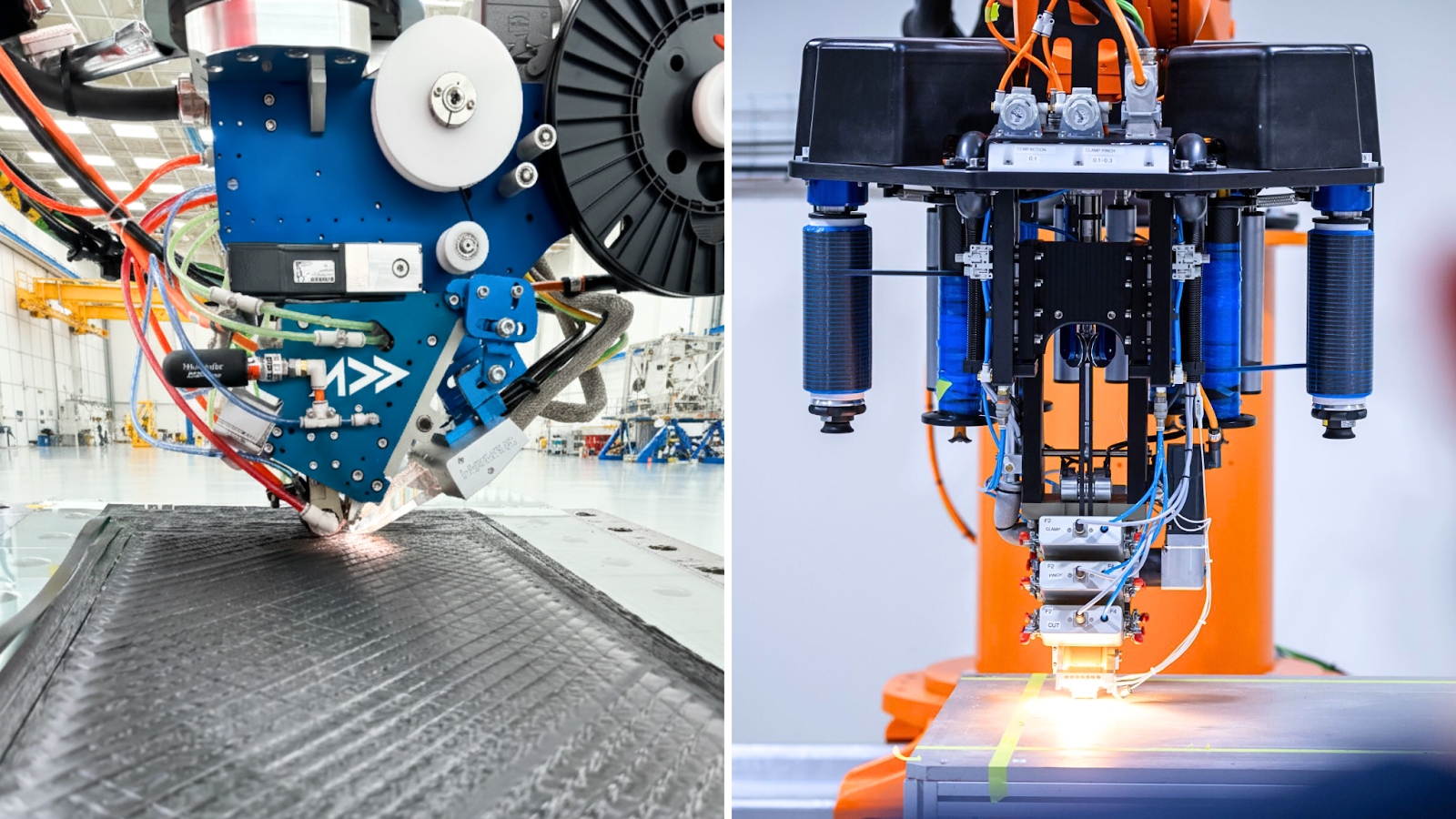
The Addcomposites AFP-XS and AFP-X platforms bring automated fiber placement to research institutions and SMEs — making sustainable composite manufacturing accessible. Credit: Addcomposites
Accessible Sustainable Manufacturing
Addcomposites' AFP-XS and AFP-X systems are designed to make this technology accessible to research institutions, Tier 2/3 aerospace suppliers, and SMEs that could not previously justify the capital investment of traditional AFP systems. Making the sustainability advantages of automated thermoplastic processing accessible at €3,500/month (versus $1–5M capital expenditure for conventional systems) means the sustainability benefits are no longer reserved for only the largest aerospace primes.
Future Directions
The sustainability trajectory on display at JEC 2026 suggests three near-term developments that composites manufacturers should anticipate:
Thermoplastic reformulation as a competitive moat
The Toray A380 recycling project demonstrates that end-of-life value recovery is achievable for thermoplastic composites at aerospace quality levels. OEMs are beginning to factor end-of-life recyclability into material selection decisions. Within 5–10 years, thermoplastic composite systems may carry a premium in tendering processes for aerospace structures precisely because they avoid future disposal liability. First-movers in thermoplastic AFP capability — both at the equipment level and at the process certification level — will be positioned as strategic suppliers.
Digital product passports as supply chain architecture
The EU DPP framework, combined with innovations like GENE.SYS, will progressively make lifecycle data a standard feature of composite components. Manufacturers that build digital thread capability now — tracking material provenance, process parameters, and inspection results in structured, shareable formats — will find themselves ahead of a compliance requirement that is still emerging but already directionally clear. The infrastructure cost of retrofitting traceability is much higher than building it in from the start.
Natural fiber composites moving from niche to mainstream
BMW M's production car application signals that the technical barriers to natural fiber composites in automotive exteriors have been resolved. The remaining barrier is supply chain scale and cost parity. As volumes increase and the Alliance for European Flax-Linen & Hemp continues to build processing infrastructure, natural fiber composites will progressively displace glass fiber in low-to-medium performance applications — with a carbon footprint advantage that is increasingly valued by downstream OEMs.
References
[1] H. Modin, "End-of-Life Management of Carbon Fiber Reinforced Polymer Structures," SAMPE Journal, vol. 59, no. 3, pp. 12–21, 2023.
[2] European Commission, "Ecodesign for Sustainable Products Regulation (ESPR): Digital Product Passport," Official Journal of the European Union, 2024. Link
[3] Toray Advanced Composites, "Toray Advanced Composites and Partners Win JEC Innovation Award for Circularity and Recycling," Press Release, January 13, 2026. Link
[4] Airbus, "Recycled and Ready," Newsroom Story, January 2026. Link
[5] N. Offringa, "Thermoplastic composites: Fast processing, sustainable end-of-life," Reinforced Plastics, vol. 65, no. 4, pp. 198–203, 2021. doi: 10.1016/j.repl.2021.04.012
[6] Bcomp, "Bcomp and BMW Group Win World's Most Prestigious Composites Award for Series Production Exterior Automotive Parts," Press Release, January 2026. Link
[7] BMW Group, "Ready for Series Production: BMW Group Achieves Major Breakthrough with Utilization of Natural Fiber Composites," Press Release, 2025. Link
[8] JEC World, "Bio-Based Carbon Fibers, Performance and Competitive — CGreen," JEC World 2026 Startup Booster Finalist, 2026. Link
[9] R. R. Oliveira Filho, G. D. P. Silva, and L. R. Moreno Ruiz, "Harmonizing life cycle assessment studies of emerging technologies: The case of virgin and recycled carbon fibers," Resources, Conservation and Recycling, 2025. doi: 10.1016/j.resconrec.2025.00000
[10] G. Meng, S. Chand, and D. C. Lee, "Comparing Life Cycle Energy and Global Warming Potential of Carbon Fiber Composite Recycling Technologies and Waste Management Options," ACS Sustainable Chemistry & Engineering, vol. 7, no. 1, pp. 1–12, 2019. doi: 10.1021/acssuschemeng.8b01026
[11] A. Le Duigou, I. Ajouguim, and M. Castro, "Life cycle assessment of carbon fiber and bio-fiber composites prepared via vacuum bagging technique," Journal of Manufacturing Processes, vol. 92, pp. 278–289, 2023. doi: 10.1016/j.jmapro.2023.00000
[12] CompositesWorld, "Meet the JEC Group Startup Booster Finalists for 2026," December 2025. Link
[13] JEC World, "P2M / GENE.SYS," JEC World 2026 Startup Booster, 2026.
[14] JEC Group, "JEC World 2026: Under the Motto 'Pushing the Limits'," Press Release. Link
[15] Innovation in Textiles, "Expanded Bio-Materials Village at JEC World 2026," February 2026. Link
[16] W. Denissen, J. M. Winne, and F. E. Du Prez, "Vitrimers: permanent organic networks with glass-like fluidity," Chemical Science, vol. 7, no. 1, pp. 30–38, 2016. doi: 10.1039/C5SC02223A
[17] H. Liu et al., "Vanillin-Based Epoxy Vitrimer with High Performance and Closed-Loop Recyclability," Macromolecules, vol. 53, no. 17, pp. 7289–7300, 2020. doi: 10.1021/acs.macromol.9b02006
[18] PMC, "Next-Generation Sustainable Composites with Flax Fibre and Biobased Vitrimer Epoxy Polymer Matrix," Polymers, 2025. Link
[19] Addcomposites, "How AFP Technology Unlocks Sustainable and Recyclable Composites," Technical Blog, 2024. Link
[20] K. Borikeev and J. Chen, "Recent Developments in Automated Fiber Placement of Thermoplastic Composites," Composites Part A: Applied Science and Manufacturing, vol. 148, p. 106499, 2021. doi: 10.1016/j.compositesa.2021.106499
[21] G. Gardiner, "Automated fiber placement: A review of history, current technologies, and future paths forward," Composites and Advanced Materials, vol. 30, 2021. doi: 10.1177/26349833211003537
Learn More
Have questions about implementing sustainable composites manufacturing in your operations?
Contact Us for a Consultation