How Automated Composite Manufacturing Can Help Europe Defend Its Skies
From combat-proven Ukrainian interceptors to a European manufacturing pivot — why AFP and LFAM are the missing link
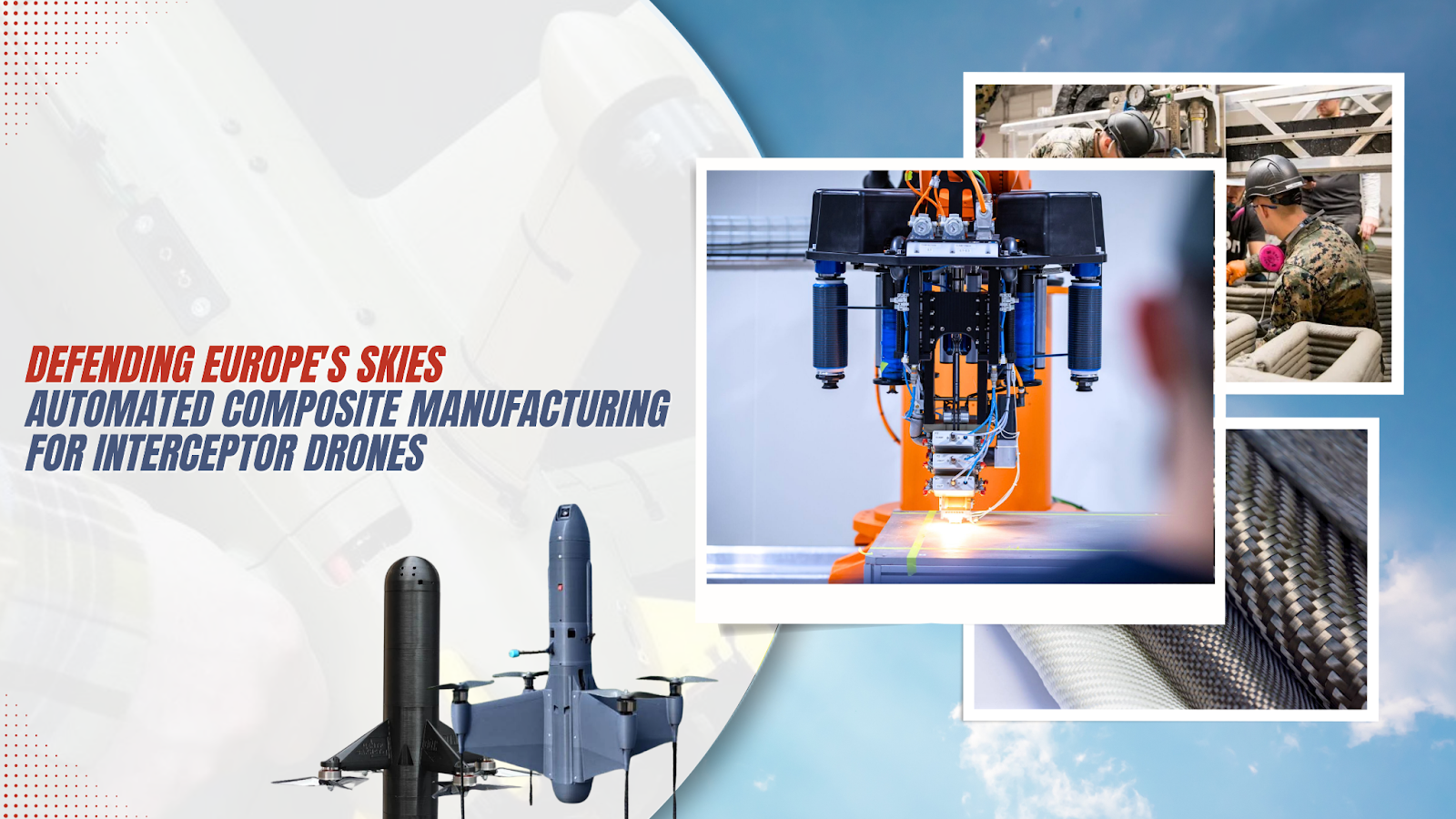
Introduction
Low-cost interceptor drones have become the most effective counter to mass drone attacks — and Europe has neither the production capacity nor the manufacturing infrastructure to build them at scale. Ukraine now destroys 70% of incoming Shahed drones using interceptors costing $2,000–$15,000 each, versus $1–4 million for a traditional missile.
The EU has committed over €800 billion to rearmament with explicit mandates for drone and counter-drone systems, yet European manufacturers currently produce orders of magnitude fewer drones than Ukraine, Russia, or China.
The missing link is not design or demand — it is scalable, automated composite manufacturing.
Automated Fiber Placement and large-format additive manufacturing technologies, already proven in aerospace, can bridge this gap. Companies like Addcomposites offer portable, software-driven AFP and LFAM systems that could enable the distributed, high-rate production Europe urgently needs.
Ukraine Proved the Interceptor Drone Concept at Unprecedented Scale
The war in Ukraine has fundamentally validated interceptor drones as a new class of air defense. By January 2026, Ukrainian interceptor drones accounted for 30% of all air defense kills, destroying 1,704 Shahed-type drones in a single month — with 70% of those kills attributed to interceptor drones rather than guns or missiles. Ukraine now produces approximately 1,000 interceptor drones per day across roughly 450 drone companies, a staggering industrial achievement built on decentralized, rapid-iteration manufacturing.
Ukraine Air Defense Kills — Monthly Breakdown
January 2026 · Target: Shahed drones
Source: Ukrainian Air Force official reports, Jan 2026 · Estimates based on publicly available data
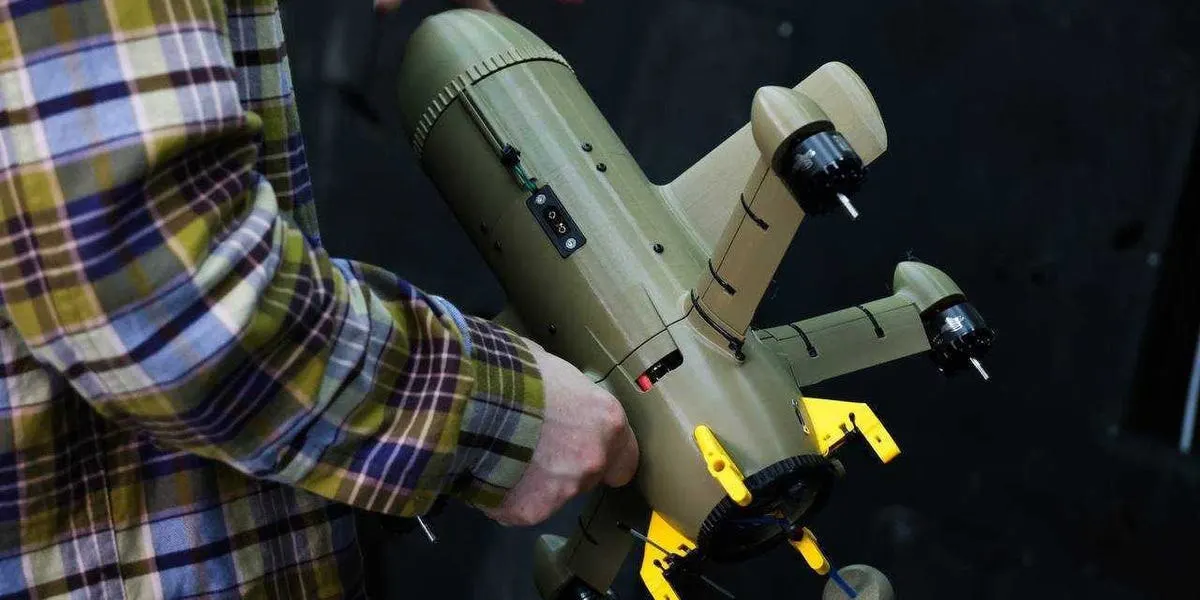
Source: Wild Hornets
The numbers tell a compelling cost story. The Wild Hornets STING interceptor costs approximately $2,100 per unit, flies at 315 km/h, reaches 3,000 meters altitude, and has destroyed over 1,000 enemy drones since entering serial production in early 2025. Its 3D-printed frame is manufactured by teams of 25 engineers producing 100 drones per day using consumer-grade Bambu Lab and Elegoo FDM printers.
The Skyfall P1-SUN, at roughly $1,000, has logged over 1,000 confirmed Shahed kills at 350 km/h. The AI-autonomous Merops system, developed through Eric Schmidt's Project Eagle, achieves a 95% hit rate at $14,500 per unit and has already been loaned to NATO allies Poland and Romania.
Interceptor Drone Cost vs. Traditional Air Defense
Unit cost per kill comparison — Drone interceptors vs. conventional SAM / AAA systems
| System | Unit Cost | Cost Scale | Notes |
|---|---|---|---|
| Skyfall P1-SUN Ukraine | $1,000 | >1,000 confirmed kills · 350 km/h intercept speed | |
| STING Wild Hornets | $2,100 | >1,000 kills · 315 km/h · 3 km altitude | |
| TYTAN METIS Bundeswehr | ~$5,000 | Bundeswehr contract · 3,000 units/month production rate | |
| Merops AI Auton. | $14,500 | 95% hit rate · NATO allies deployed · AI autonomous targeting | |
| System | Unit Cost | Cost Scale | Notes |
|---|---|---|---|
| Gepard AAA Burst | ~$80,000 | High ROF · Ammo-intensive · ~6× drone cost | |
| IRIS-T SL SAM | $1,200,000 | Excellent capability · but 200–600× drone cost | |
| Patriot PAC-3 SAM | $4,000,000 | Most capable system · ~2,000× drone cost per kill |
Source: Publicly available manufacturer data & Ukrainian Air Force reporting, Jan 2026
These are not prototypes. They are combat-proven systems operating at industrial scale. The interceptor drone has emerged as a category — sitting between expensive surface-to-air missiles and electronic warfare jamming, offering a proportionate, cost-effective response to the mass drone threat.
Germany's TYTAN Technologies secured a multi-hundred-million-euro Bundeswehr contract in October 2025 and is scaling to 3,000 units per month. Anduril's Anvil won a $642 million ten-year USMC deal. The UK-Ukraine "Octopus" project commits to producing 2,000 interceptor drones per month. The EU's own Commissioner Kubilius estimated that Europe would need 3 million drones annually just to defend Lithuania in a wider conflict.
What Interceptor Drones Demand from Materials and Structures
Interceptor drone airframes face an unusual engineering challenge: they must be strong enough to sustain 250+ km/h speeds and high-g terminal maneuvers, yet light enough for electric propulsion, and in many designs must survive — or deliberately disintegrate during — a kinetic collision. This creates a materials problem that composite manufacturing is uniquely positioned to solve.
Interceptor Drone Material Selection Hierarchy
Structural zone mapping to composite material system — kinetic interceptor airframe
Material selection principles based on composite airframe design standards · Aerospace composites engineering references
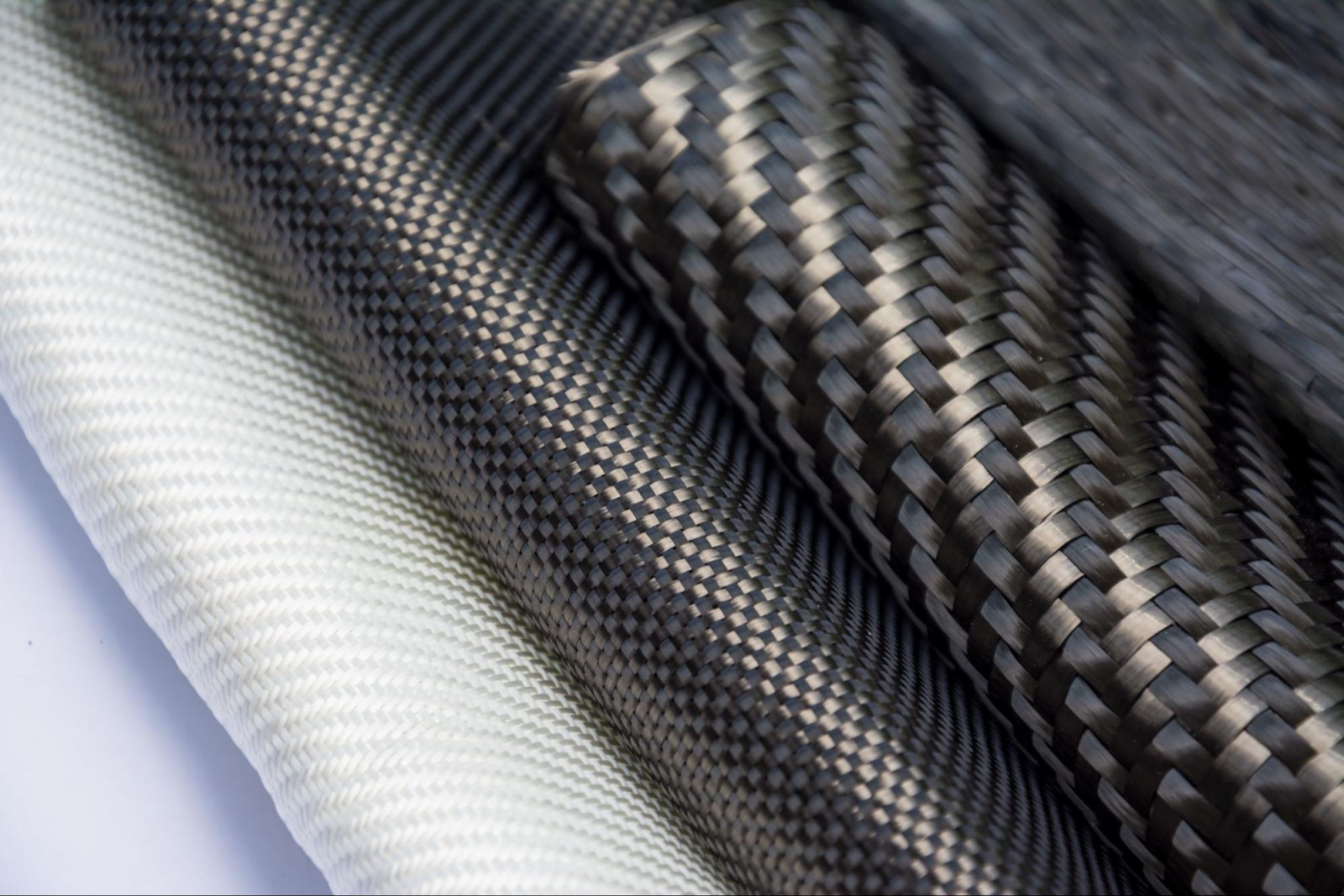
Structural Hierarchy
Carbon fiber reinforced polymer (CFRP) is the primary material for high-performance interceptor airframes, delivering 40–50% weight reduction versus aluminum while providing inherent radar low-observability advantages. The EDGE Allag-E uses an all-composite cylindrical fuselage with delta wings. Fortem Technologies' DroneHunter F700 employs a lightweight carbon fiber frame. SkyDefense's CobraJet features a 6.5-foot carbon fiber airframe flying at 200 mph.
For kinetic impact zones, material selection directly determines effectiveness: CFRP shatters into a debris cloud that can shred a target's propulsion system, while aramid/Kevlar absorbs impact energy and delaminates rather than splintering.
The performance envelope is demanding. Interceptors must execute rapid acceleration during launch (often booster-assisted), sustain high-speed pursuit at 250–350 km/h, and perform precise terminal maneuvers at closing speeds that can exceed 400 km/h in head-on engagements.
Interceptor Performance Envelope vs. Target Speeds
Maximum operating speed — Shahed-class targets vs. interceptor drone platforms
Source: Manufacturer specifications, Ukrainian Air Force reporting & open-source technical assessments, Jan 2026
The "kinetic fallacy" identified by Ukrainian engineers adds nuance to the pure-collision narrative. A 2-kg interceptor striking a 200-kg Shahed at 300 km/h sounds devastating, but in tail-chase scenarios the relative speed difference may only be 20–30 km/h, producing insufficient energy transfer. Most effective interceptors now carry small proximity-fuzed fragmentation charges — the EDGE Allag-E uses a cutting-disc warhead with a 5-meter lethal radius. Even so, these warheads are orders of magnitude smaller than SAM missile payloads, maintaining the minimal-collateral-damage advantage.
AFP and LFAM Solve the Production Speed Equation
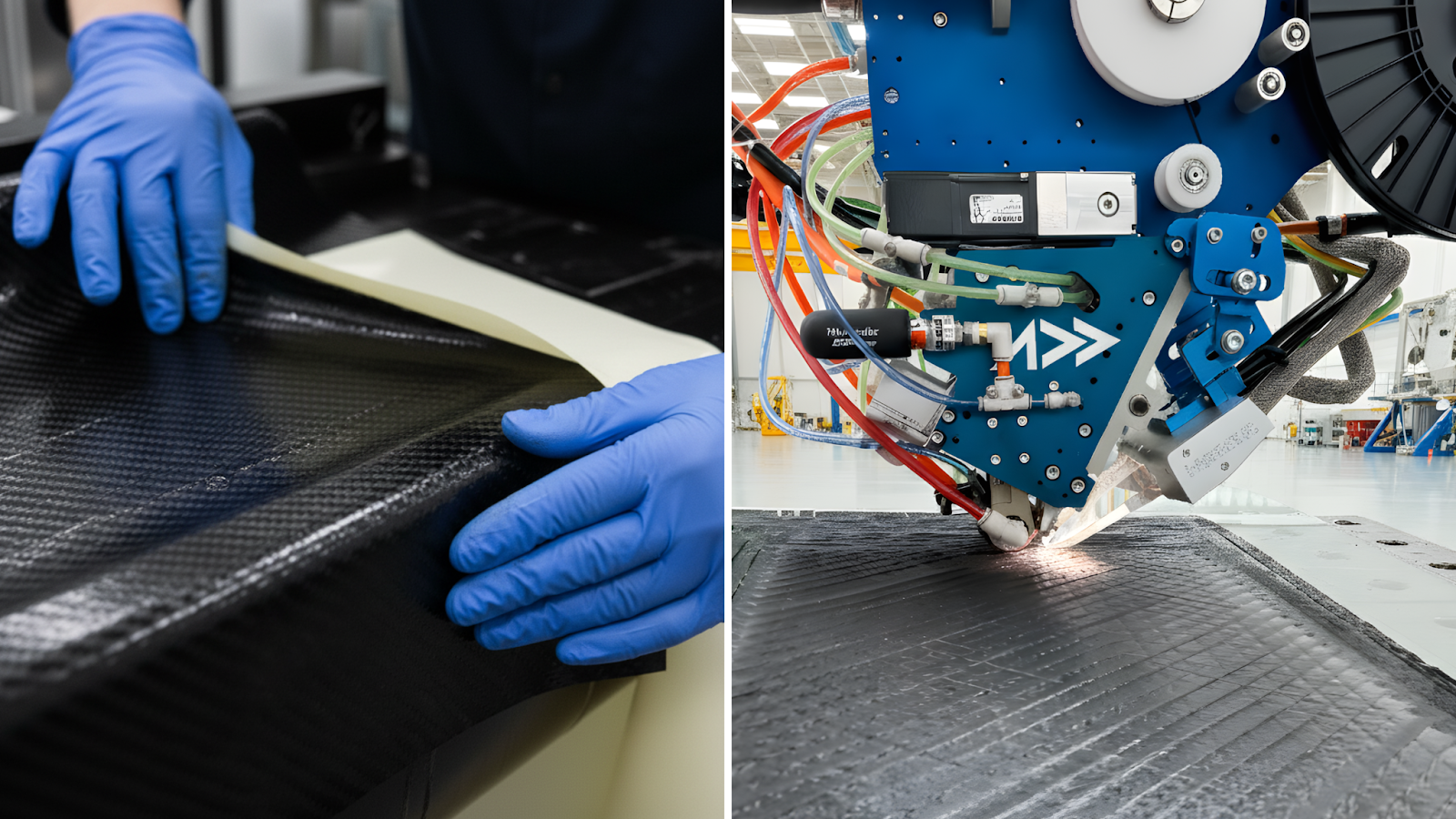
The Manufacturing Bottleneck
The fundamental bottleneck in scaling interceptor drone production is not design — it is manufacturing throughput. Hand layup of composite drone airframes produces 2–3 kg of material per hour, requires 5–10 skilled workers per shift, generates 20–50% material waste, and introduces 5–15% defect rates. Automated Fiber Placement changes each of these parameters by an order of magnitude.
Manufacturing Method Comparison: Key Metrics
Hand Layup vs. Large Format Additive (LFAM / ADDX) vs. Automated Fibre Placement (AFP-X)
Deposition rate
% of material lost
% parts with defects
Positional tolerance
Operators required
At production volume
Primary use case
Sources: Addcomposites AFP-X & ADDX technical data · Industry benchmarking studies in composite manufacturing
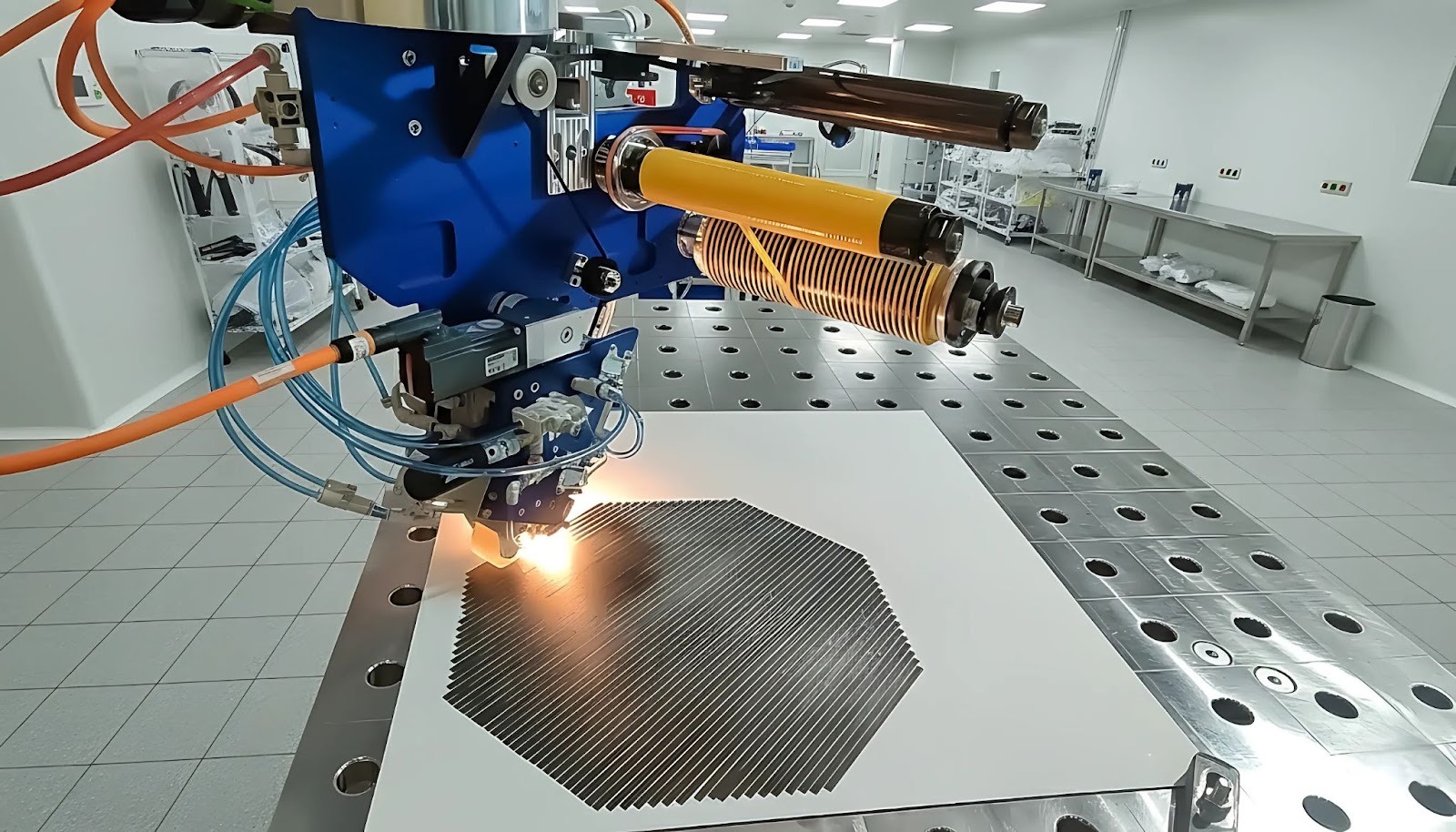
AFP Performance at Scale
Addcomposites AFP-XS system during flat panel composite layup.
AFP systems deposit pre-impregnated fiber tows at rates of 10–150 kg per hour — up to 40 times faster than hand layup — with material waste below 6%, defect rates of 0.8% using AI inspection, and placement accuracy of ±0.05 mm versus ±2–5 mm for manual processes. A single AFP cell operated by 1–2 technicians replaces an entire manual layup team. At production volumes above 150 parts per year, AFP delivers 43% cost reductions while maintaining aerospace-grade quality.
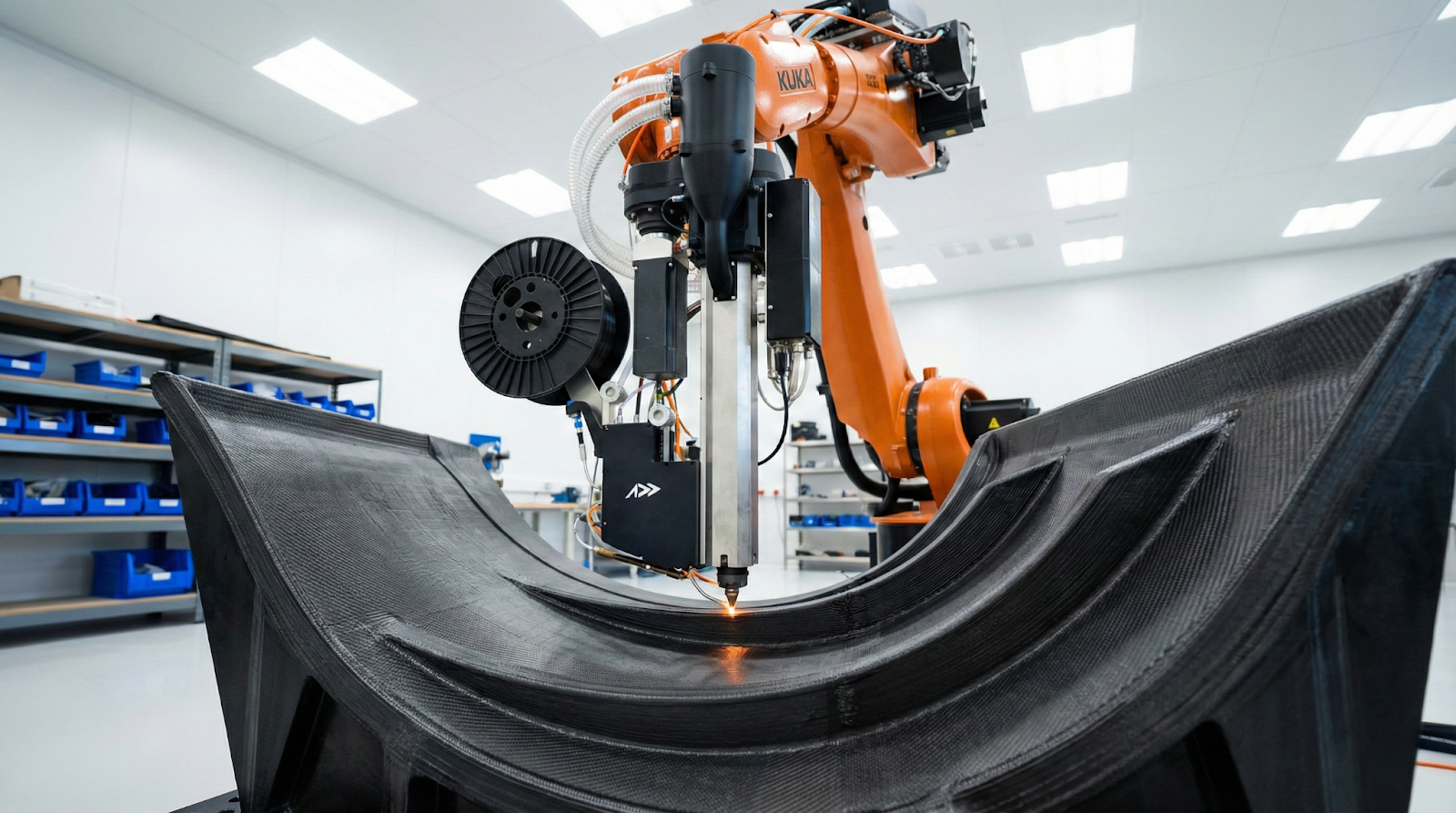
LFAM: High-Rate Structure Fabrication
Addcomposites ADDX — large-format composite 3D printing system.
Large-format additive manufacturing with continuous fiber reinforcement addresses the other end of the production spectrum. LFAM systems using granulate-based extrusion achieve 6–12 kg per hour throughput at material costs of €3–15 per kilogram — an 80% reduction versus specialty filaments. A complete 2-meter delivery drone frame prints in under 90 minutes. For smaller racing-class or FPV-class airframes, production rates exceed 50 frames per day on a single system.
The breakthrough capability is thermoplastic in-situ consolidation AFP. Traditional thermoset composites require hours-long autoclave cure cycles in equipment costing over $1 million. Thermoplastic AFP uses laser or flash-lamp heating to melt PEEK, PEKK, or PPS matrices above 400°C during tape placement, achieving consolidation during layup with void content below 2%.
Thermoset AFP vs. Thermoplastic AFP — In-Situ Consolidation
Process flow, cycle time and key capability comparison for drone airframe manufacturing
Cold chain req.
>150°C · $1M+
No freezer
±0.05 mm accuracy
<2% void content
assemble
Sources: Addcomposites AFP-X technical documentation · Thermoplastic composites in-situ consolidation literature (SAMPE, Composite Structures)
The hybrid manufacturing approach may prove most powerful. LFAM prints the base drone structure from carbon-fiber-filled polymer in under two hours. AFP then selectively applies continuous fiber reinforcement along critical load paths — wing spars, fuselage longerons, impact zones — adding structural performance precisely where needed.
Hybrid LFAM + AFP Workflow: Interceptor Drone Airframe
Sequential process — ADDX large-format printing + AFP-X selective fibre reinforcement
Sources: Addcomposites ADDX + AFP-X technical documentation · AddPath FEA-driven path planning · Thermoplastic in-situ consolidation literature
This combination achieves 70% weight reduction versus aluminum and 300% strength increase over unreinforced plastic, while keeping cycle times compatible with high-rate production.
Europe Has the Technology But Has Not Deployed It for Drone Defense
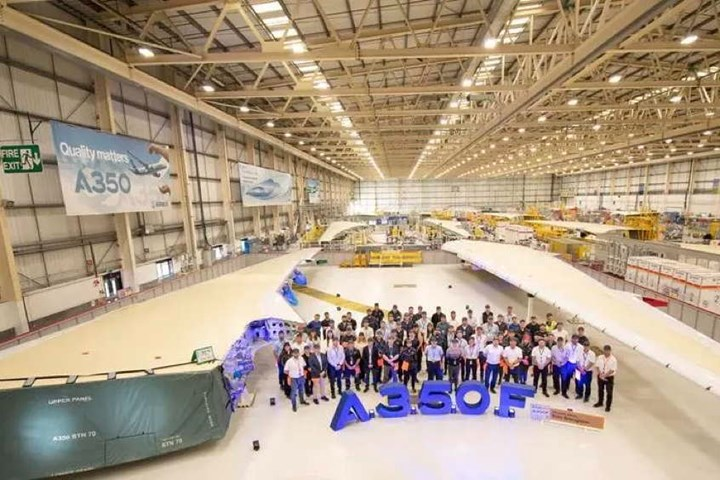
Source: Airbus
The European defense composites gap is not a capability gap — it is a deployment gap. Europe possesses world-class AFP technology through companies including Coriolis Composites (France), Broetje-Automation (Germany), MTorres (Spain), Cevotec (Germany), and Addcomposites (Finland). Airbus operates extensive AFP production lines for the A350 and A400M. Yet no European entity currently produces defense drone airframes at scale using AFP or LFAM. The technology sits in civil aerospace factories and R&D labs while European drone manufacturers rely on hand layup, injection molding, and consumer-grade 3D printing.
Automated Composite Drone Manufacturing Capability
EU vs. USA vs. China — defense composite production readiness assessment
Replicator Initiative target
State-directed surge capacity
Fragmented, no central program
120,000 drones / yr program
Material → final assembly
No defense drone application
Anduril Anvil
Military UAV programs
Civil aerospace only
RapidFlight — deployed
Decentralised supply chains
No equivalent initiative
Target: 65% by 2030
Sources: IISS, EDA procurement data, Rock Island Arsenal program filings, open-source defense industry reporting 2023–2025
The contrast with the United States is stark. Northrop Grumman has delivered over 1,500 composite center fuselages from automated production lines, processing 10 million F-35 parts per year. The U.S. military's SkyFoundry program targets 10,000 drones per month, with Rock Island Arsenal installing advanced composite 3D printing for 120,000 drone bodies annually. Firestorm Labs won a $100 million Air Force contract for containerized drone manufacturing systems. The United States is building an entire ecosystem of distributed, automated drone manufacturing — Europe has no equivalent program.
China's advantage is even more pronounced. Chinese factories feature fully automated drone production lines. DJI ships millions annually while Western companies produce thousands. China has vertically integrated its composite supply chain from PAN precursor production through automated manufacturing. U.S. analysts estimate they are "optimistically five years behind Chinese competitors" in manufacturing automation.
The Procurement Reality
Between 2022 and 2023, 68% of EU defense acquisitions were sourced from the United States — only 18% represented joint investment among EU-27 states. The EU's new EDIP regulation limits non-EU components to 35% of product value, and the SAFE instrument mandates at least 65% European content.
EU Defense Procurement Content (2022–2023 vs. EDIP/SAFE Target)
Share of EU defense spending by source — current vs. mandated industrial sovereignty targets
Sources: EDA Coordinated Annual Review on Defence (CARD) 2022–23 · EDIP / SAFE regulation targets · Rabobank drone investment analysis
Addcomposites' Technology Fits the European Manufacturing Gap Precisely
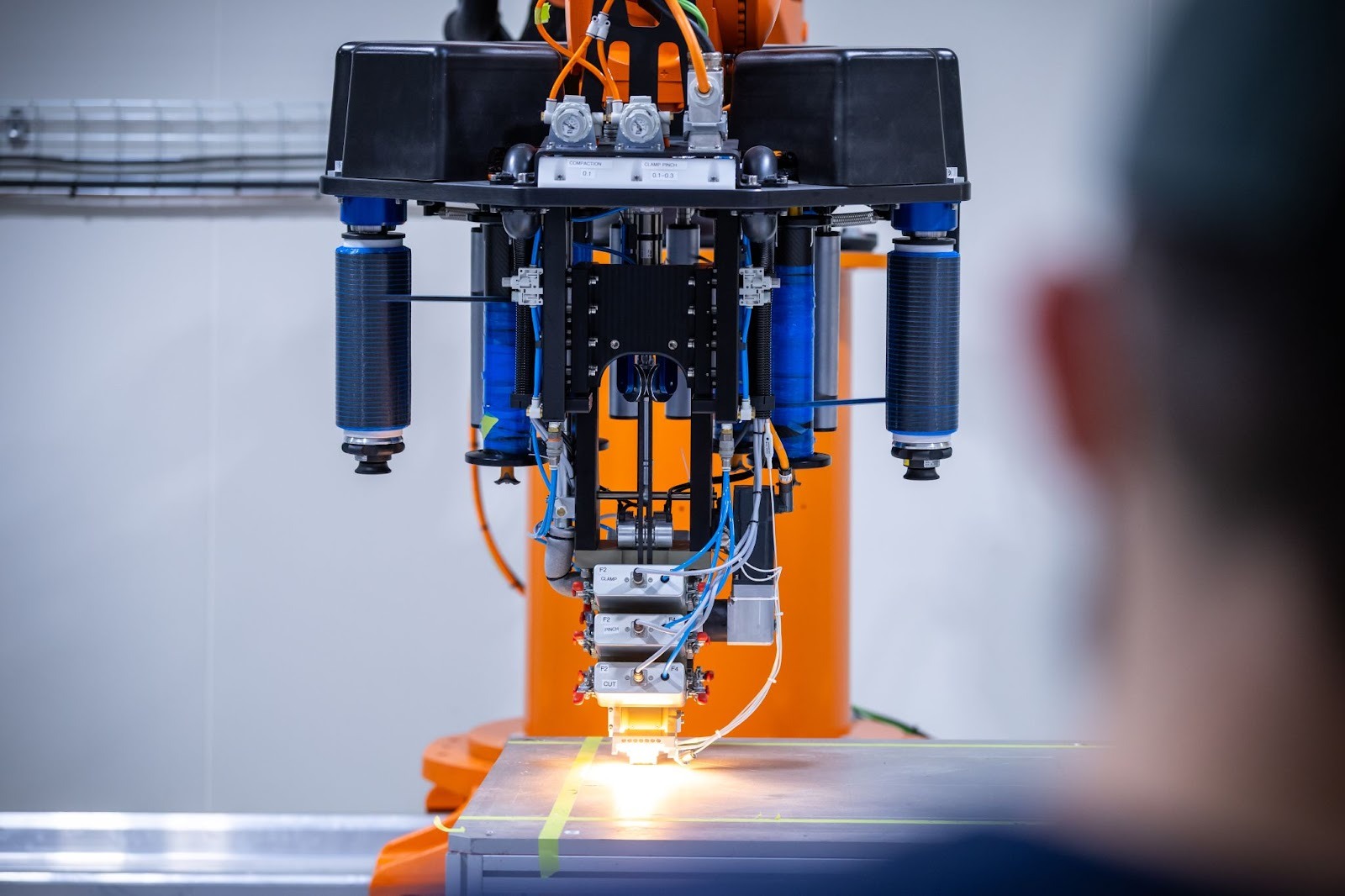
Addcomposites: European Deep-Tech
AFP-X by Addcomposites — the technology Europe already has, ready to deploy.
Addcomposites, a Finnish deep-tech company spun out of Aalto University and the European Space Agency Business Incubation Center, has built the product portfolio that the European defense drone manufacturing gap demands.
Addcomposites Product Ecosystem for Drone Manufacturing
Integrated AFP + LFAM + software platform — from design to complete interceptor airframe
- Robot-agnostic — KUKA, ABB, Fanuc compatible
- Same-day install — rapid field deployment
- Thermoset + thermoplastic material systems
- >50 installations worldwide
- No capital expenditure — OpEx model
- ±0.05 mm accuracy — FEA-computed paths
- Up to 500 mm/s deposition speed
- Independent servo tow tension control
- Thermoset + thermoplastic in-situ
- Wing skins, fuselage panels, curved surfaces
- 3 modes: polymer, chopped, continuous fibre
- Granulates €2–10/kg — low material cost
- 50+ small drone frames/day throughput
- PEEK + CFRP — aerospace-grade materials
- Tooling-free complete structure fabrication
Sources: Addcomposites AFP-XS, AFP-X & ADDX product documentation · AddPath software technical overview · addcomposites.com
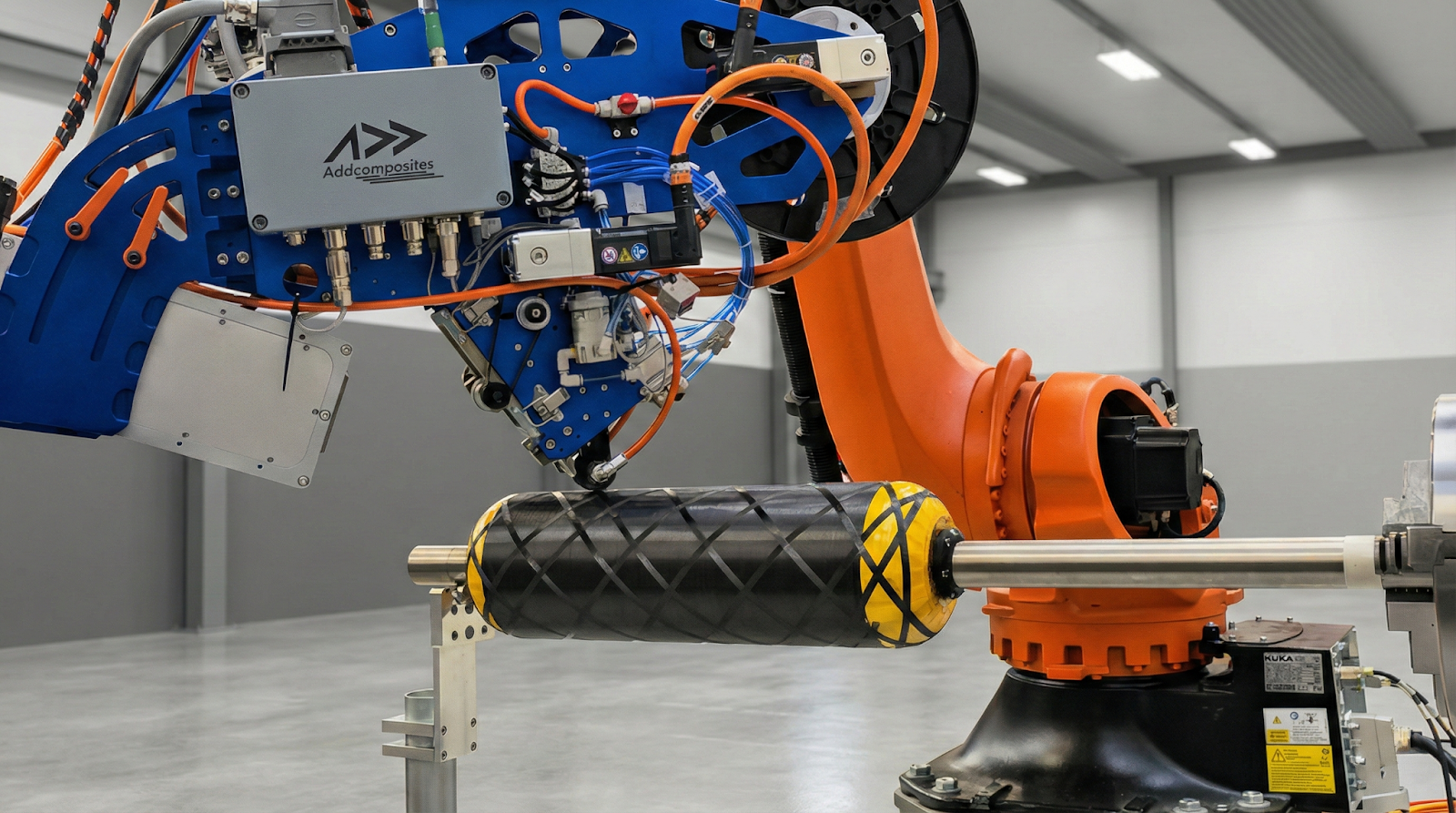
AFP-XS: The World's Most Accessible AFP System
Addcomposites AFP-XS — robot-agnostic, production-ready, deployable today.
The AFP-XS is the world's most affordable production-ready AFP system, available from €3,499 per month on a subscription basis versus $1–5 million for traditional systems. It mounts on any standard industrial robot — same-day installation, same-day production. With over 50 systems installed worldwide, it processes thermoset prepreg, thermoplastic tapes, dry fiber, and towpreg. The portability is the critical differentiator: it can be shipped to any facility with a robot arm, mounted in hours, used for a production run, and returned. This makes it uniquely suited for forward manufacturing.
In partnership with Effman, Addcomposites has demonstrated plug-and-produce manufacturing cells deployable in under four weeks at one-fifth the cost of traditional cells.
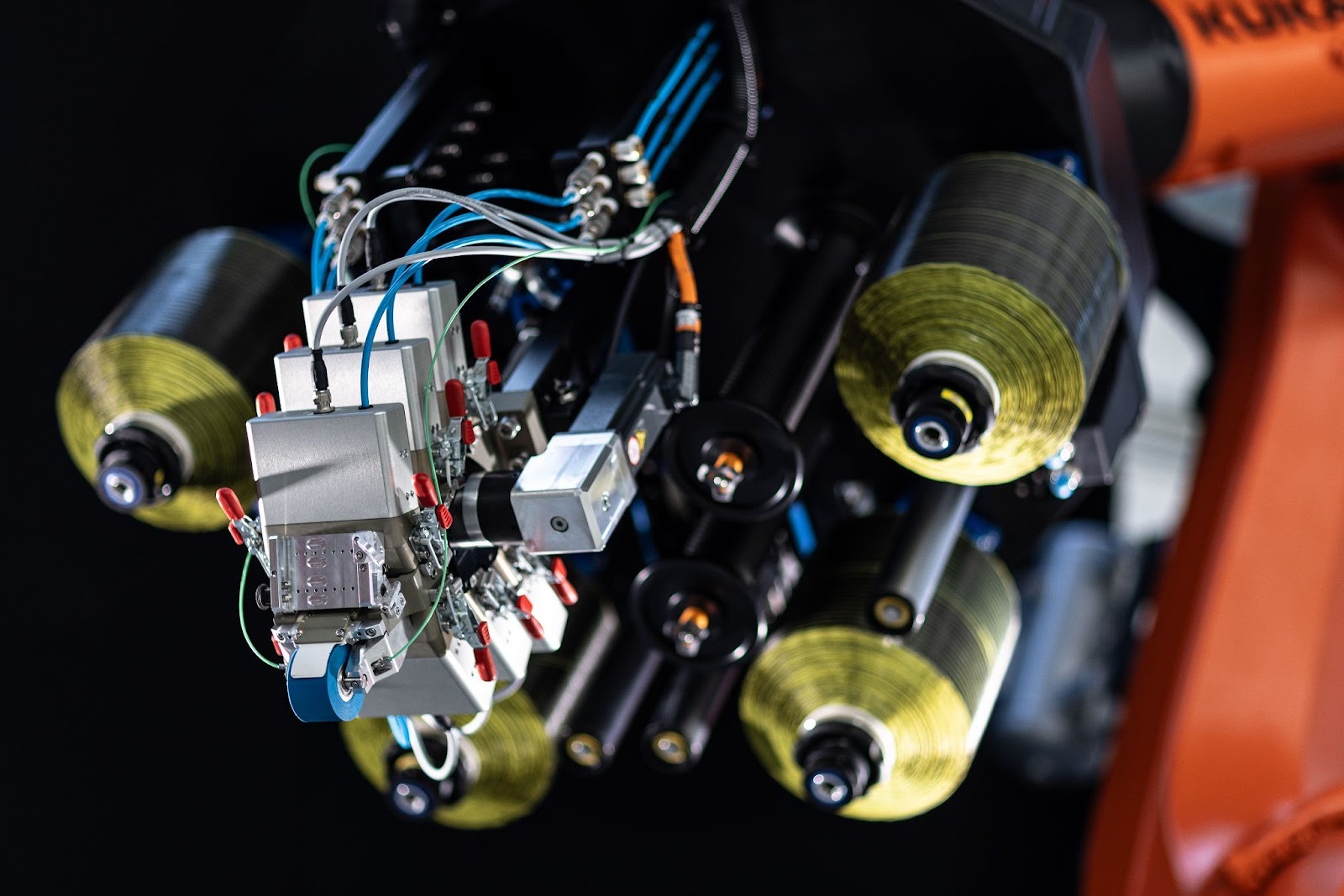
AFP-X & ADDX: Scaling to Production Volume
AFP-X by Addcomposites
The AFP-X scales to production volumes with a 4-tow system achieving 8.6 kg/hr throughput. The ADDX seamlessly switches between three printing modes using standard granulates at €2–10/kg rather than specialty filaments at €50–200/kg. AddPath software ties the ecosystem together with automated path planning, digital twin monitoring, and real-time defect detection using computer vision.
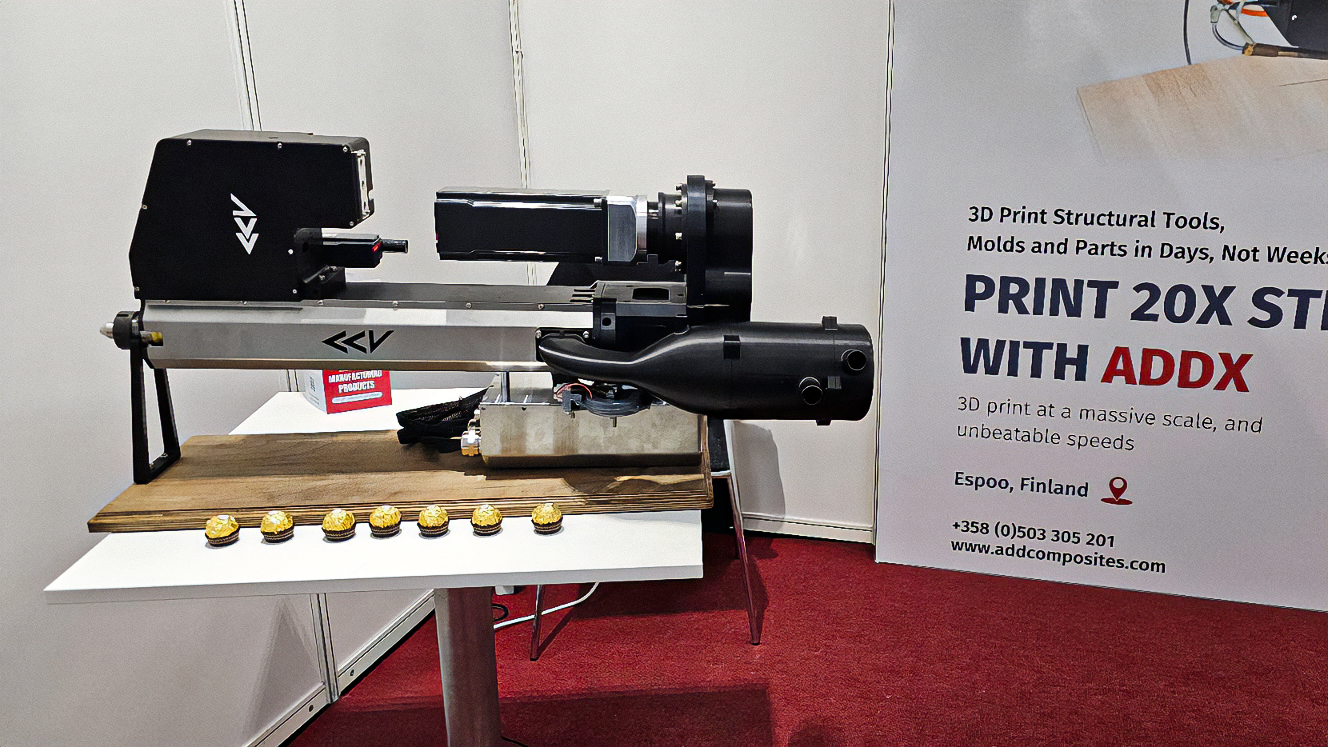
Addcomposites ADDX — large-format composite 3D printing system.
The Forward Manufacturing Concept Europe Needs But Does Not Have
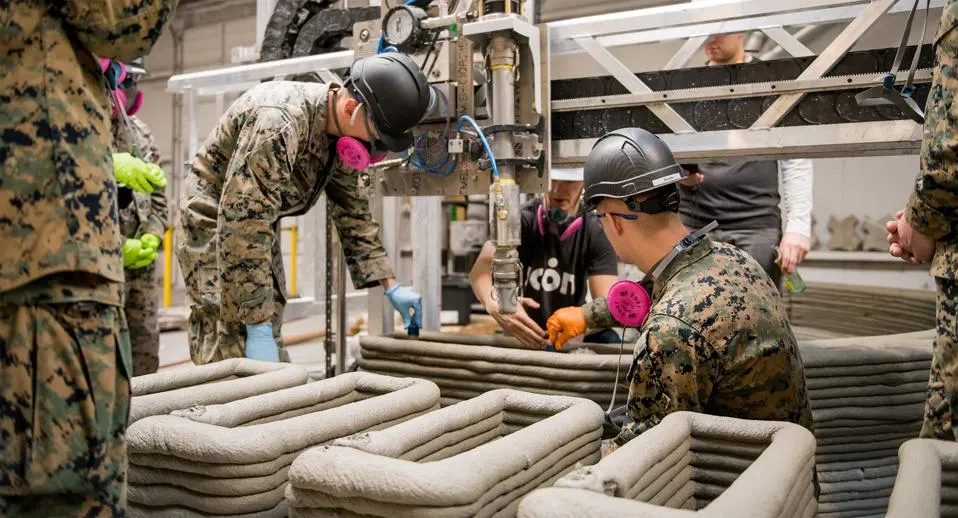
U.S. Marines operating a field-deployed 3D printing unit — the forward manufacturing model Europe has yet to adopt. © ICON / Forbes
The U.S. military has moved aggressively toward point-of-need manufacturing. The USMC's EXMAN and XFab programs deploy containerized 3D printing labs to forward operating bases. Firestorm Labs' xCell system fits in two expandable 20-foot ISO containers and sets up in less than a day. RapidFlight's Mobile Production System produces military drones "from blueprint to battlefield in a matter of days."
Forward Manufacturing Deployment Concept
Addcomposites AFP-XS + ADDX in distributed production cells — NATO Eastern Flank
Granulate
Programs
Sources: Addcomposites AFP-XS & ADDX technical documentation · NATO eastern flank logistics concept · Production rate estimates based on published cell throughput figures
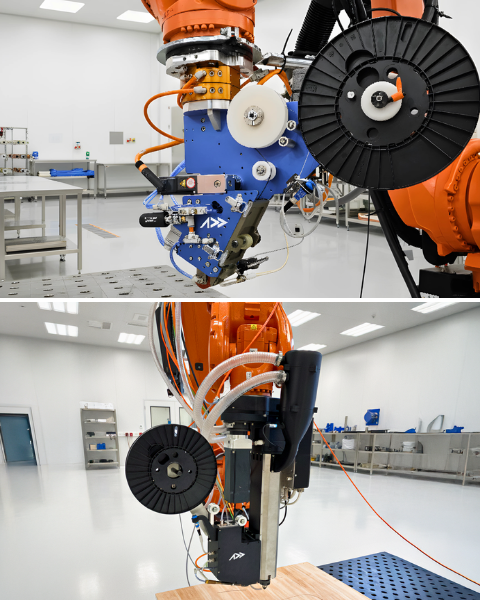
AFP-XS and ADDX by Addcomposites — deployable together as a complete forward manufacturing cell.
Europe has no equivalent forward manufacturing program for defense composites. France's DGA is working with companies to identify how civilian manufacturing lines could be adapted for mass drone production, but acknowledges this is preparatory — "before buying tens of thousands, we will need the budgets."
Addcomposites' subscription-based, robot-agnostic AFP toolheads represent a fundamentally different approach: no permanent factory required, no stranded capital, deployable to any location with power. Materials can be sourced from multiple European suppliers — SGL Carbon, Hexcel Europe, or emerging thermoplastic tape producers — reducing single-point supply chain vulnerabilities.
The Strategic and Ethical Imperative Converge

© European Commission 2025
The case for European investment in automated composite manufacturing for interceptor drones rests on converging strategic, industrial, and ethical imperatives. The EU's Defence Readiness Roadmap 2030 has launched the European Drone Defence Initiative, targeting full operational capability by 2027 backed by approximately €6 billion for a "Drone Wall" along Europe's eastern flank. The SAFE instrument's €150 billion in loans mandates 65% European content.
European Drone Defence Funding Landscape (2025–2030)
EU-level programs, national allocations and market growth projection for composite drone manufacturing
Sources: European Defence Agency CARD · SAFE/EDIP regulation texts · Drone Defence Initiative (EDI+) funding documents · Drone Industry Insights market projections 2024
Industrially, the European drone sector is projected to grow from €4.56 billion in 2024 to €45.96 billion by 2034 — a 177% growth trajectory. Germany alone has allocated approximately $12 billion for drone capabilities. The gap between EU demand signals and EU manufacturing capacity represents a massive industrial opportunity for companies that can deliver automated, scalable composite drone production.
The Ethical Case
Ethically, interceptor drones occupy uniquely defensible ground. They are inherently defensive — designed solely to protect civilian infrastructure from incoming attack drones. They produce minimal collateral damage compared to SAM missiles.
Ethical Positioning: The Interceptor Drone in the Spectrum
Classifying air defense systems by intent, proportionality and civilian harm potential
Munitions
Missiles
DRONES ★
- ✕Designed to attack civilian and military targets
- ✕Carries explosive payload — lethal by design
- ✕High collateral damage potential
- ✕Anti-armour and area denial role
- ✕Loiters over battlefield — indiscriminate risk
- ✕Single-use explosive — cannot recall once launched
- ✕Potential mass civilian casualties
- ✕Blast radius makes precision impossible
- ✕Most legally and ethically contested category
- ✓Inherently defensive — intercept role only
- ✕$1M – $4M per kill — unsustainable at scale
- ✕Proximity detonation — some collateral risk
- ✓No kinetic effect — zero blast risk
- ✕Fails vs. autonomous or AI-guided targets
- ✕No guaranteed physical neutralisation
- ✓Inherently defensive — intercept role only
- ✓No explosive payload — kinetic impact only
- ✓Zero collateral damage — precision engagement
- ✓Proportionate to threat class
Sources: ICRC "Autonomous Weapon Systems" position paper · International Humanitarian Law proportionality doctrine · Open-source system specifications Jan 2026
Ukraine's interceptor program explicitly protects hospitals, shopping centers, and civilian buildings from nightly Shahed attacks. For a European technology company, enabling the production of defensive systems that protect civilians while costing a fraction of traditional alternatives represents about as noble a mission as defense manufacturing offers.
Conclusion: From Technology Availability to Production Reality
Europe does not lack composite manufacturing technology. It lacks the deployment of that technology for defense drone production. AFP systems from European manufacturers like Addcomposites, Coriolis, and Broetje sit in civil aerospace lines and research labs while Ukrainian engineers 3D-print interceptor drones on consumer printers and European defense officials write checks for American systems.
The Pivot: From Civil Aerospace to Distributed Drone Production
EU AFP & LFAM capability exists today — it needs to be redirected, not rebuilt
Sources: Addcomposites AFP-XS & ADDX documentation · EDA procurement data · ReArm Europe / SAFE instrument · NATO eastern flank production estimates
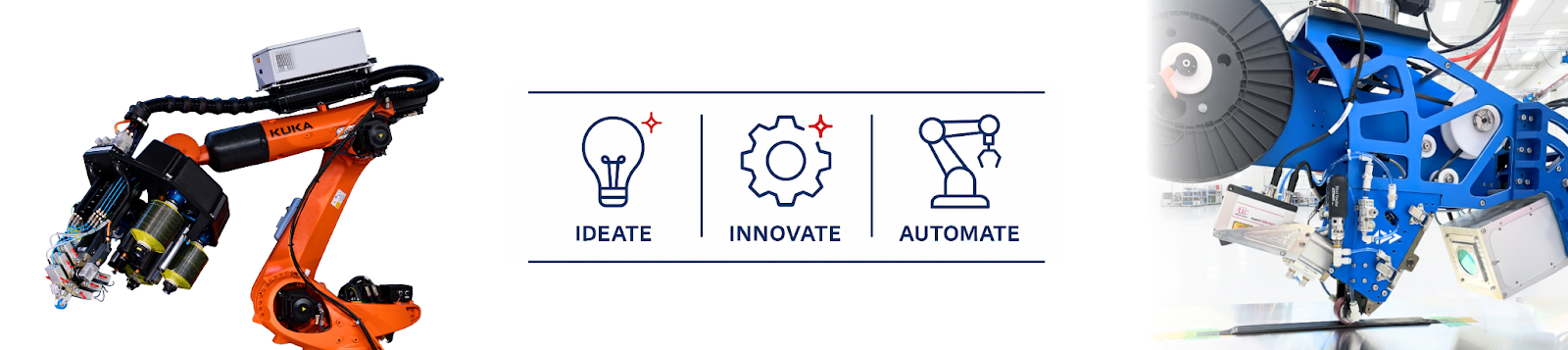
Addcomposites' portable, subscription-based toolheads — mountable on any robot, deployable in weeks, capable of processing both thermoplastic and thermoset composites — offer the most practical path to this pivot. The AFP-XS for rapid deployment and distributed production, the AFP-X for scaled airframe manufacturing, the ADDX for high-rate near-net-shape structures, and AddPath software for automated design-to-production workflows together constitute a complete manufacturing ecosystem for composite interceptor drone production.
The technology is European. The demand is European. The funding is European. The question is whether Europe will connect them before the next generation of threats demands an answer.
References
- DroneXL — Ukraine Is Scaling Up Interceptor Drones As Russia's Shahed Threat Outpaces Every Defense (March 2026). dronexl.co
- UNITED24 Media — Ukraine's Interceptor Drones Now Account for 30% of Air Defense Kills. united24media.com
- DroneXL — Ukraine's $2,500 Interceptor Drones Are Rewriting Air Defense Doctrine As NATO Scrambles To Learn (October 2025). dronexl.co
- AOL / Business Insider — Ukraine's pay-per-kill system against Russian Shaheds helped it get 40,000 interceptor drones in a month. aol.com
- Defense Express — Ukrainian Wild Hornets Workshop Reveals How Many Russian Drones Downed by STING Interceptors in Five Months. defence-ua.com
- Wikipedia — Sting (drone). wikipedia.org
- Wikipedia — Wild Hornets. wikipedia.org
- Al Jazeera — Ukraine deploys low-cost drones to counter Russia's aerial attacks (December 2025). aljazeera.com
- Medium / Roman Kulish — Ukraine's Drone Interceptors: The Engineering Reality. medium.com
- Dignitas Fund — Ukrainian Interceptor Drone Systems. dignitas.fund
- Army Recognition — Germany selects TYTAN Technologies for drone interceptor program (2025). armyrecognition.com
- The Defense Post — Anduril Scores $642M Deal to Provide Counter-Drone Systems for US Marines (March 2025). thedefensepost.com
- NATO — NATO and the US Army Demonstrate Low-Cost Counter-UAS System (December 2025). nato.int
- EDR Magazine — Dubai Airshow 2025 – EDGE Advanced Concepts Shows New Development Version of Allag-E. edrmagazine.eu
- PR Newswire — Fortem Technologies Announces Shipment of New DroneHunter F700. prnewswire.com
- DroneXL — EU Pushes For Millions Of Drones By 2030 (July 2025). dronexl.co
- DRONELIFE — Will Readiness 2030 and the European Defence Fund Fuel European Drone Industry Growth? (June 2025). dronelife.com
- European Commission — Defence Readiness Roadmap 2030. ec.europa.eu
- Breaking Defense — Playing it SAFE? New EU Spending Plan Leaves US Out in the Cold (March 2025). breakingdefense.com
- Rabobank — European Drone Investments: Mapping the Value Chain. rabobank.com
- DefenseScoop — Army Aims to Manufacture 10,000 Drones Per Month by 2026 (October 2025). defensescoop.com
- DroneXL — 3D-Printed Factories Aim To Transform US Drone Production (December 2025). dronexl.co
- RapidFlight — Mobile UAS Production System. rapidflight.aero
- DroneXL — How Robots Are Revolutionizing Drone Manufacturing In Chinese Military Factories (June 2025). dronexl.co
- CompositesWorld — ATL and AFP: Defining the Megatrends in Composite Aerostructures. compositesworld.com
- CompositesWorld — Northrop Grumman Delivers 1,500th F-35 Center Fuselage. compositesworld.com
- CompositesWorld — Consolidating Thermoplastic Composite Aerostructures In-Place. compositesworld.com
- ICRC — FAQ: International Humanitarian Law and the Use of Drones in Armed Conflict. icrc.org
- Aalto University — Addcomposites Helps Small Businesses Automate the Manufacturing of Composite Parts. aalto.fi
- CompositesWorld — Addcomposites and Effman Partner to Provide AFP Cells for SMEs. compositesworld.com
- Addcomposites — AFP vs Hand Layup: The Manufacturing Revolution. addcomposites.com
- Addcomposites — Revolutionary Drone Structure Manufacturing: How LFAM Technology Is Transforming UAV Production at Scale. addcomposites.com
- Addcomposites — An In-Depth Look at In-Situ Consolidation in Thermoplastic Composites. addcomposites.com
- Addcomposites — Automated Composite Manufacturing: The Disruptive Force Redefining an Industry. addcomposites.com
Learn More
Interested in how Addcomposites technology can support your drone defense manufacturing program?
Contact Us for a Consultation